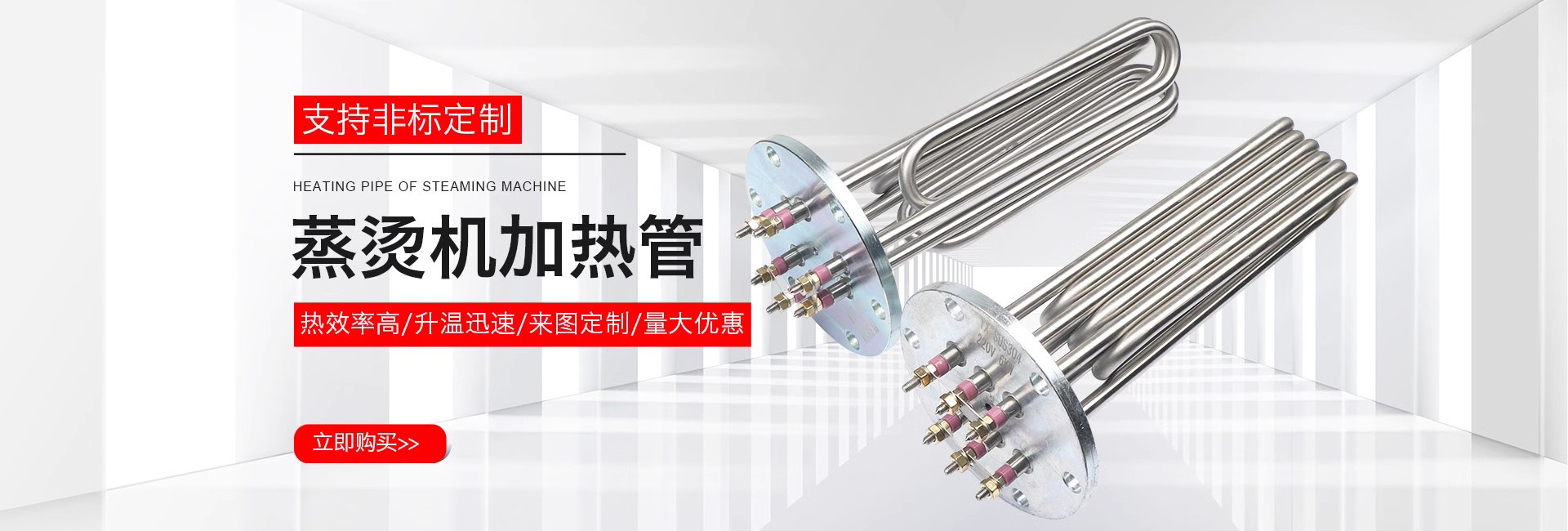
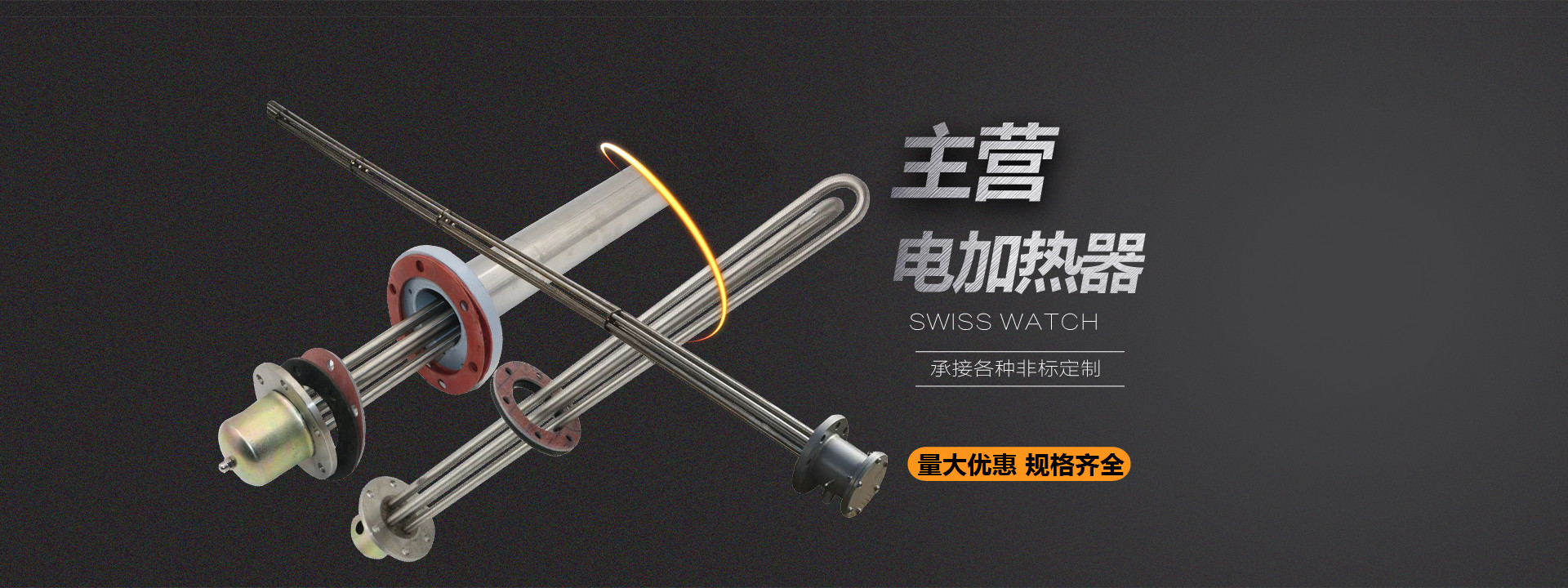

In the electrical design of chemical, pharmaceutical, or water treatment projects, when providing heating devices for storage tanks, pipelines, or reactors, designers often face selection issues such as explosion-proof rating, power density, and temperature control accuracy. The following Q&A format outlines key decision points for design selection reference.
A: It should be selected based on the classification and grouping of explosive gas mixtures in the installation environment. For example, when Class IIA and IIB gases are present, flameproof heaters can be used; if the environment is a dust explosion-proof area, a dust explosion-proof structure is required. This model offers options of Ex d IIB T4 Gb or Ex tD A21 IP65 ratings, and the specific choice should be determined by combining the ignition temperature of the process medium and the area classification.
A: Power density directly affects the heater's surface temperature and service life. For static air heating, the surface load is recommended not to exceed 2.5W/cm²; when heating water or aqueous solutions, it can be relaxed to 5W/cm²; if the medium is prone to scaling, it should be further reduced to below 3W/cm² and a detachable structure should be considered. This model offers multiple designs from 1.5 to 4.5W/cm². During selection, the medium name, flow rate, and target temperature rise must be provided.
A: Based on temperature control accuracy and response speed requirements, built-in K-type or PT100 temperature sensing elements can be optionally equipped, combined with ZJK series control cabinets for voltage regulation. Note: When the ZJK series control cabinet is regulating voltage, the indicator should be at the minimum position; the WQJ low-voltage control cabinet must not be switched under load for voltage changes to avoid damaging contacts. For applications requiring accuracy of ±1°C, PID control is recommended; for general applications, on-off control can be used.
A: During installation, ensure that the heating zone is fully immersed in the medium or in flowing air to avoid dry burning. The junction box should face a direction convenient for maintenance, with sufficient space reserved. Regularly check the insulation resistance; if it is below 1MΩ, it should be addressed promptly. This model uses a detachable wiring cavity for easy component replacement.