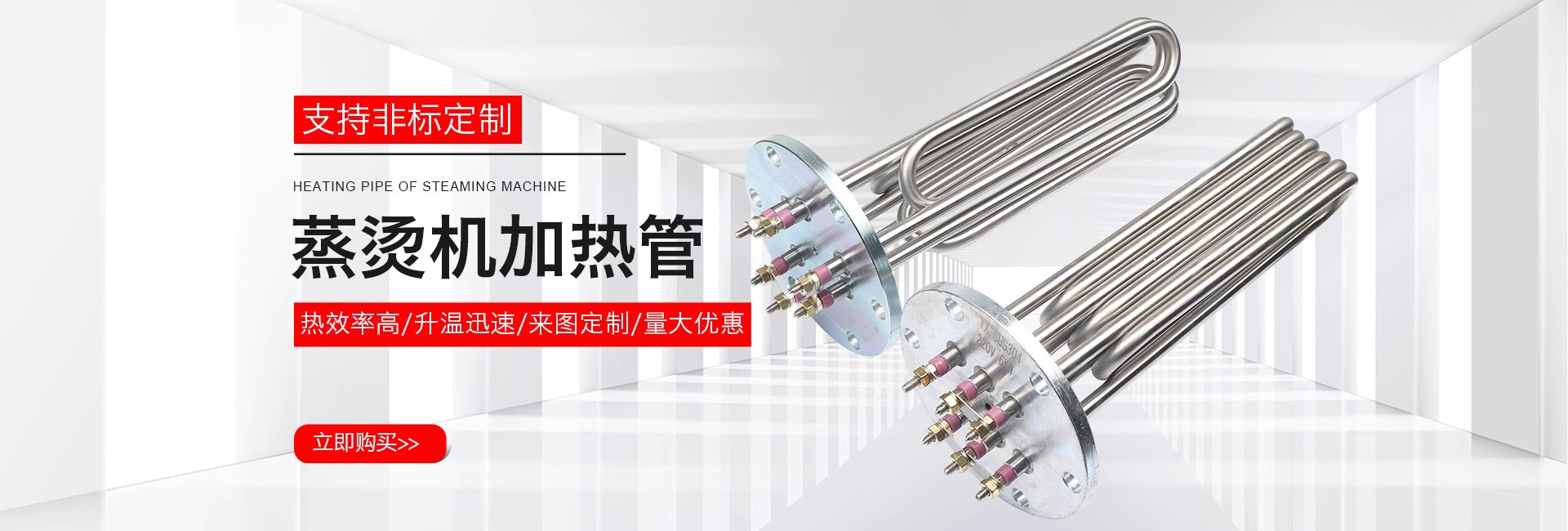
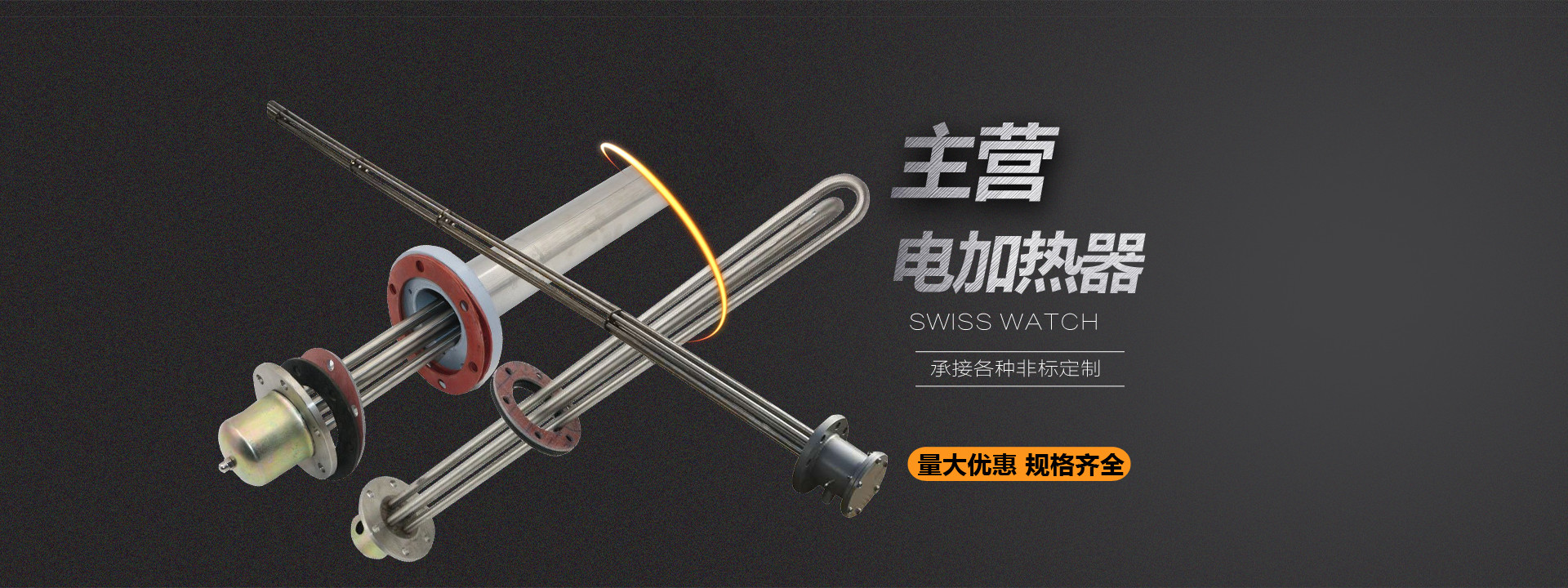

When replacing a heating rod on site, first confirm the original wiring method. Single-end wiring means the power cord exits from the same end, suitable for deep holes in molds or installation positions with limited space; heat loss is relatively small and wiring is neat. Double-end wiring allows cables to exit from both ends, suitable for occasions with a large heating length that require fixing at both ends. The GYQ-75 industrial electric heater offers both wiring forms, with electrical parameters configured as needed. The voltage rating is 220V or 380V, and the power density is calculated based on the material of the heated body and the temperature rise requirements. Simply specify the wiring direction when ordering.
This model uses a seamed or seamless metal tube as the outer sheath, with the internal resistance wire and magnesium oxide powder tightly filled. After power is applied, heat is directly conducted to the tube wall and then transferred to the workpiece by contact conduction. Compared with flame or infrared radiation heating, this contact heating method has lower heat loss, higher thermal efficiency, and simpler wiring. The tube material can be stainless steel or carbon steel depending on the environment, and a margin is reserved in the surface load design to avoid local overheating affecting service life.
Before installation, check the voltage and wiring method, and confirm that the lead length meets the requirements of the junction box position. The heating tube should avoid hard squeezing against the side wall of the workpiece to prevent sheath deformation. After long-term shutdown and before restarting, it is recommended to preheat with low voltage first to remove surface moisture. When replacing, record the original model and wiring direction to facilitate spare part matching.

