
The JB/T 2379 standard sets clear requirements for the insulation withstand voltage and explosion-proof structure of electric heating elements. During design and selection, stainless steel explosion-proof heating elements must be confirmed item by item around medium characteristics, power density, explosion-proof grade, and installation method. The following points are for reference.
When heating water, heat transfer oil, or asphalt, the allowable surface power density differs significantly. For water media, 3~5W/cm² may be referenced; for heat transfer oil, it should preferably be controlled at 2~3W/cm²; for solid oils such as asphalt and paraffin, the voltage should be reduced during the melting stage and then raised to the rated voltage after complete melting, to avoid local overheating and coking.
Select the corresponding explosion-proof structure according to the zone and gas group of the on-site explosive gas atmosphere. The enclosure is generally made of 304 or 316L stainless steel, with an independently sealed terminal chamber. Flameproof surface parameters must comply with the GB 3836 series requirements. During selection, the supplier should be required to provide the explosion-proof certificate number and temperature class.
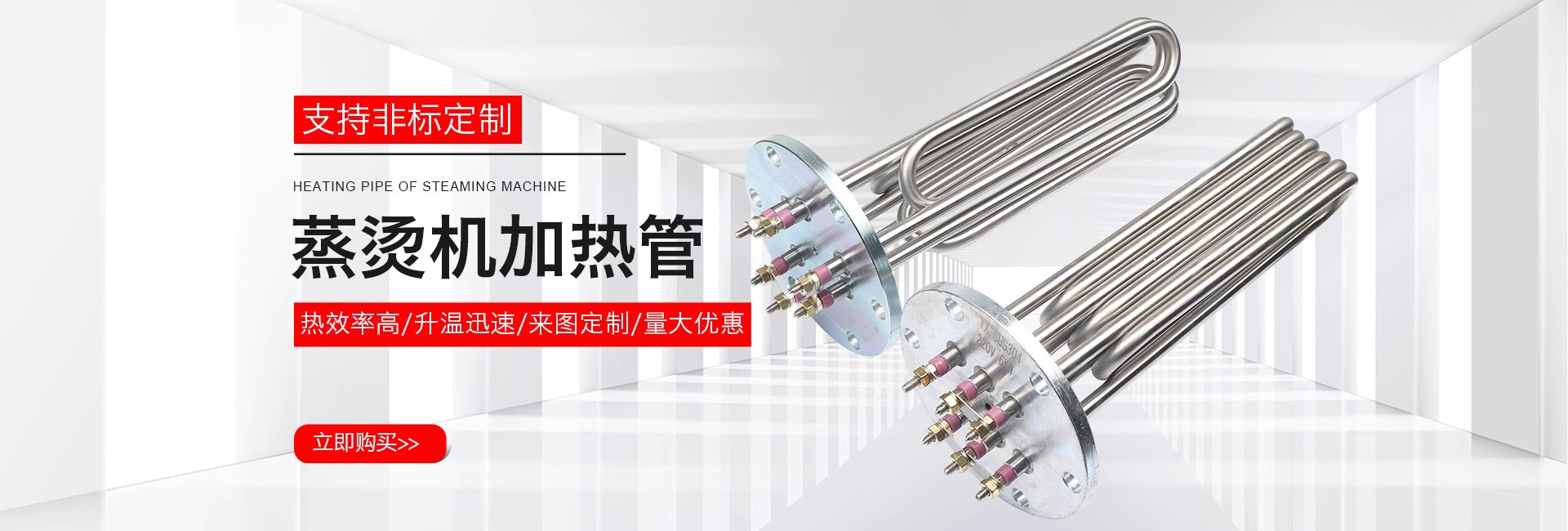
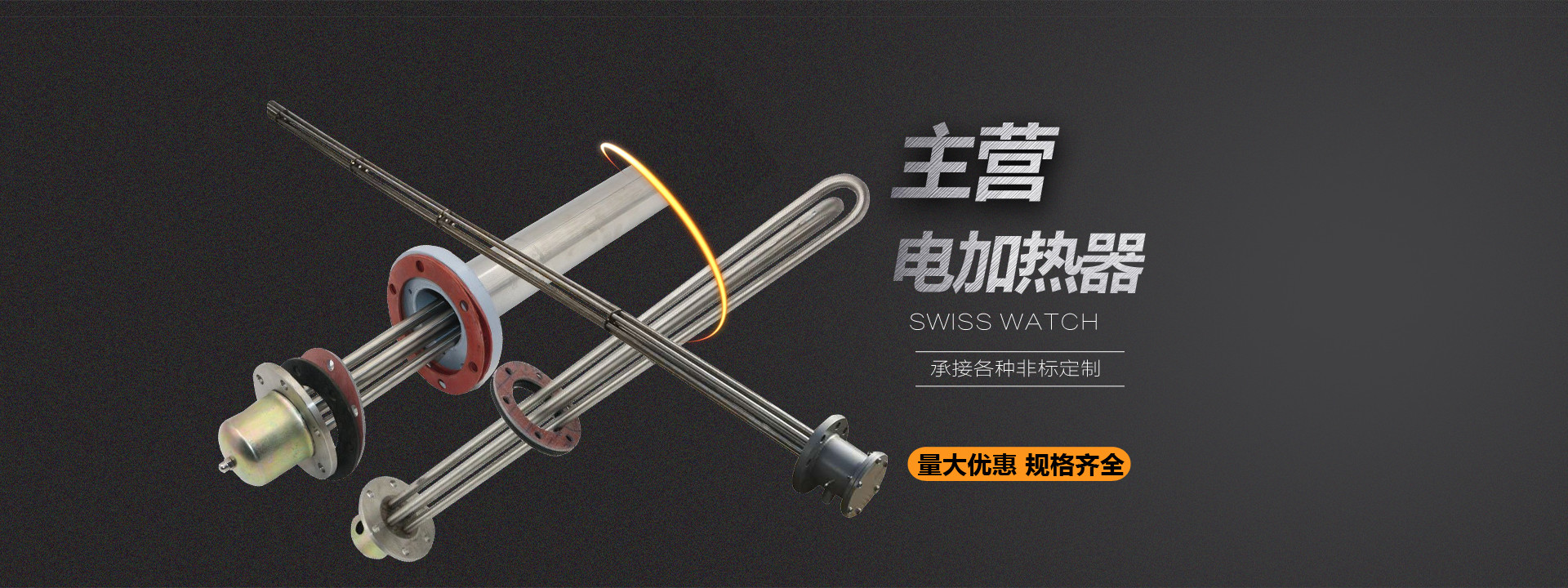
Common installation methods are flange connection or threaded connection. Flange specifications must match the equipment interface; for threaded connections, the nominal diameter and thread pitch should be confirmed. The length of the heating element should ensure that the effective heating zone is fully immersed in the medium to avoid dry burning.
The rated voltage is determined according to the on-site power supply, commonly 220V and 380V. It is recommended to configure overtemperature protection and leakage protection, with the temperature control circuit set independently. When the radiant tube is closed for heating, the surface temperature of the electric heating element is about 100℃~150℃ higher than the furnace chamber temperature, so a temperature margin must be reserved during selection.
After arrival, check the explosion-proof certificate, material certificate, and factory test report; the cold insulation resistance and withstand voltage test data should meet the ordering technical agreement. Before installation, check the enclosure for deformation and the sealing surface for damage.

