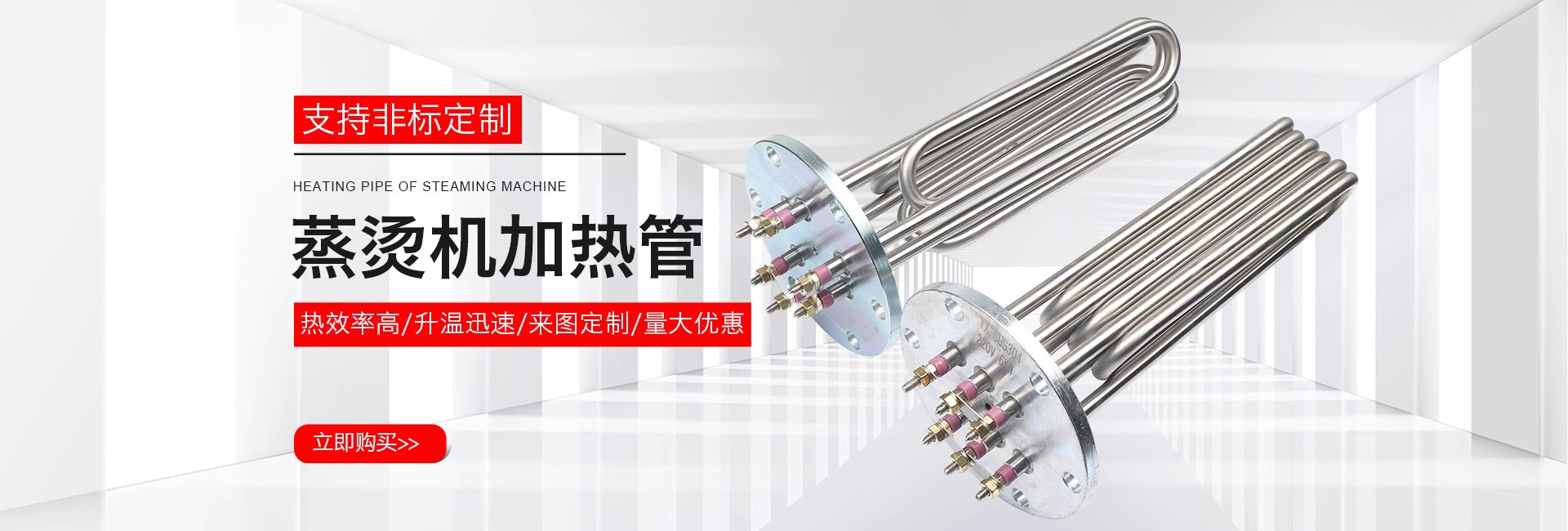
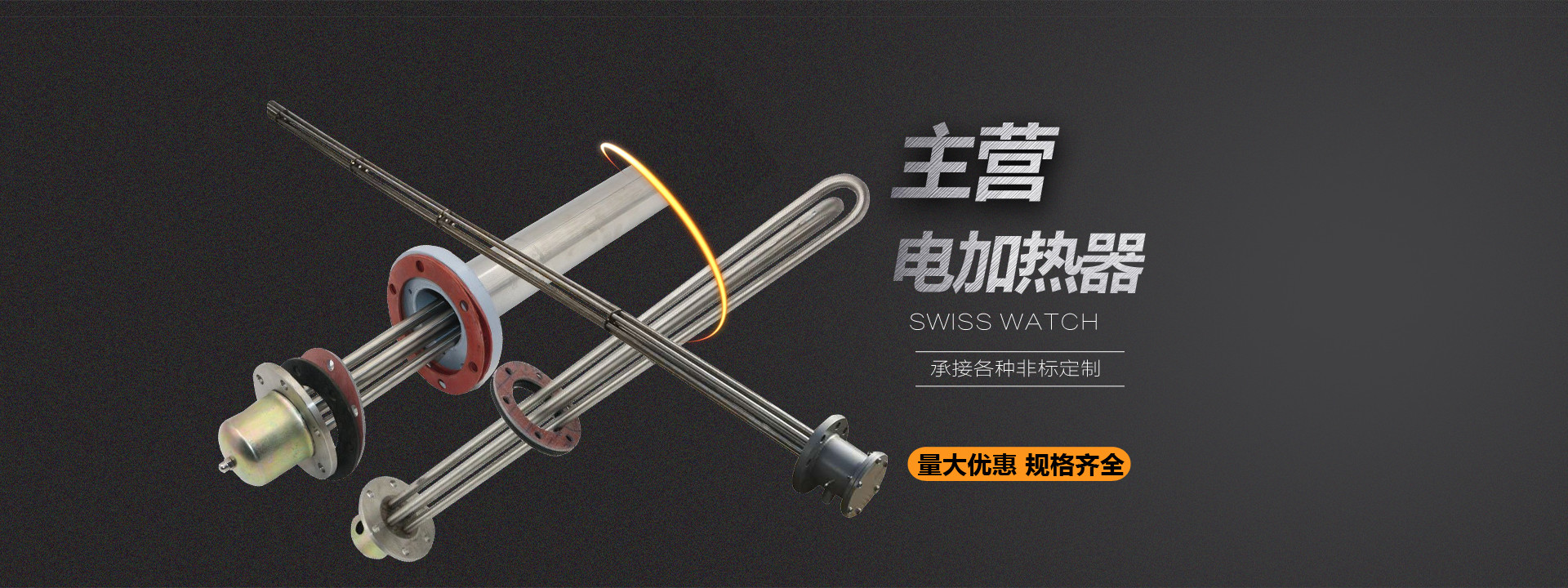

The design and acceptance of sheathed electric heaters may refer to JB/T 2379 "Metal Tubular Heating Elements" for requirements on power deviation, insulation resistance, and withstand voltage. The BHD-38 model undergoes factory inspection with a rated voltage deviation of ±5%, a cold insulation resistance of no less than 50 MΩ, and a withstand voltage test of 2000 V/1 min without breakdown. Before selection, technical engineers must clarify four basic parameters: voltage, power, sheath length, and mounting thread specification. None of the four can be omitted; otherwise, assembly interference or power density deviation from the design value may easily occur.
A: A comprehensive judgment should be made based on medium characteristics, pressure, temperature, and installation space. For mineral oil, water, and weakly corrosive liquids, the sheath is commonly made of 304 or 316L stainless steel, and the surface load is generally controlled within the range of 1.5–2.5 W/cm²; in cases of higher medium viscosity or weak natural convection, the lower limit should be adopted to avoid local overheating and coking. Under pressure-bearing conditions, the sheath wall thickness and threaded connection strength should be checked. When installation space is limited, a small outer diameter and long sheath structure should be preferred to increase the heat exchange area.
A: In circulating oil circuits, the heater should preferably be installed horizontally or at an incline in a section with stable flow velocity to ensure continuous medium scouring of the sheath surface; in static tanks, liquid level control must be emphasized, the heating zone should be fully immersed, and low-liquid-level protection interlock should be provided. The thread specification must match the opening in the tank, and a temperature-resistant gasket is recommended for the sealing surface. After installation, a short trial run should be conducted to observe the temperature rise curve and the temperature rise of the wiring terminals.
A: Periodically measure the cold insulation resistance, check the sheath surface for scaling, cracks, and corrosion points, and verify whether the tightening torque of the wiring terminals has decreased. In cases with obvious scaling, periodic cleaning should be arranged to avoid an actual increase in surface load. Keep the terminal box dry during shutdown, and complete insulation and withstand voltage re-verification before restarting.

