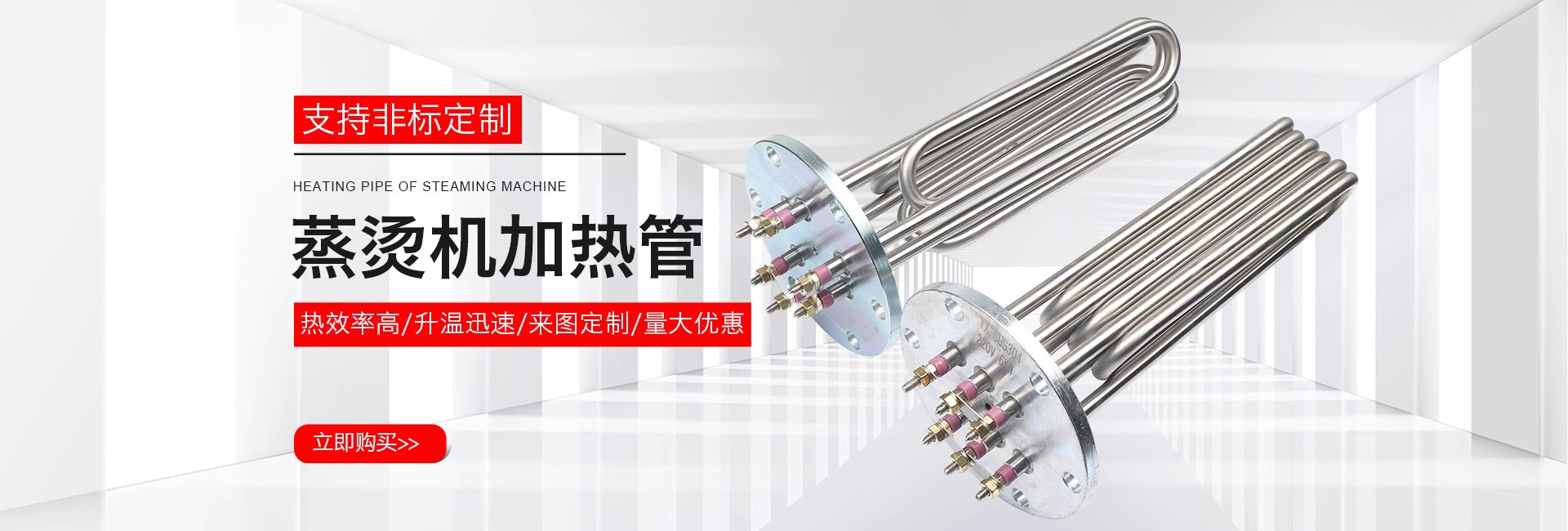
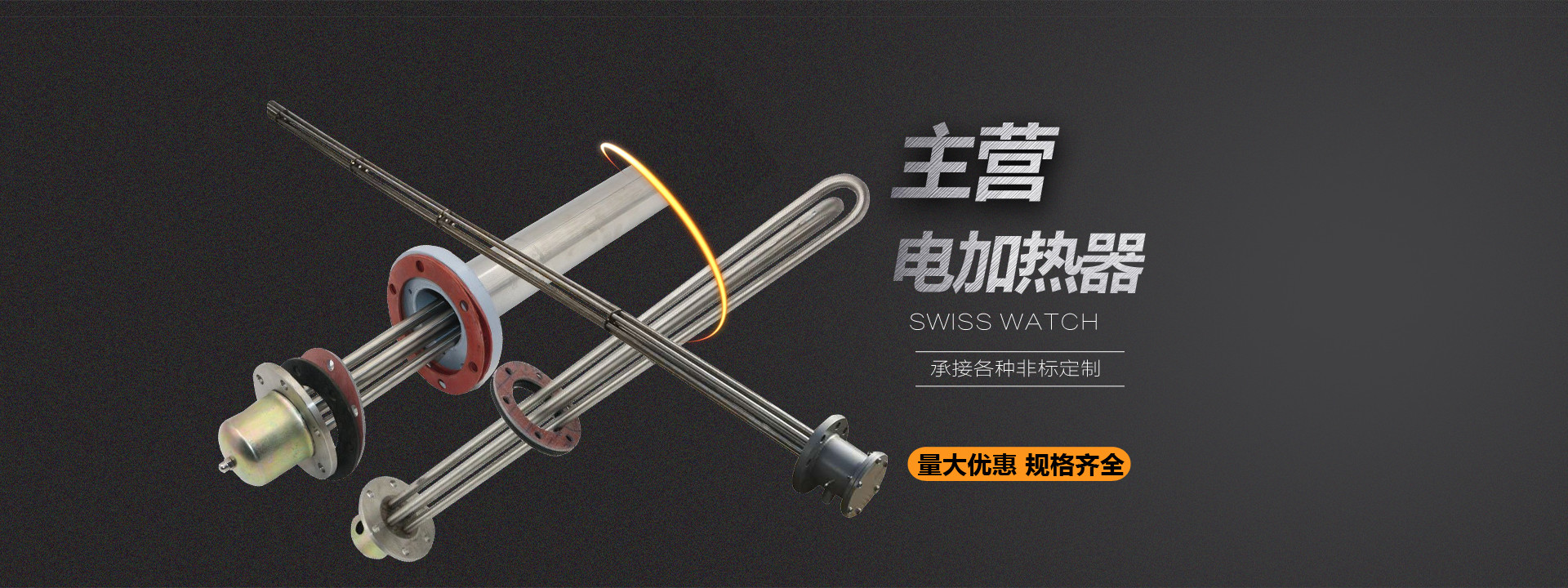

According to JB/T 2379 requirements for temperature rise and insulation of sheathed electric heaters, the key difference among sheathed products lies not in the heating element itself but in the heat exchange path between the sheath and the medium. The FJR-85 sheathed electric heater adopts a structure in which the heating element is enclosed in a metal sheath and fixed via flange or threaded connections. Rated voltage is selectable at 220V/380V, single-unit power is 1–3kW, sheath material can be selected as carbon steel, 304 or 316L stainless steel according to the medium, and the operating temperature range depends on the material and temperature control configuration.
Bare-tube heating elements heat up quickly but have high surface heat flux density, which easily causes local coking when used for sampling pipe tracing; cast-aluminum heaters have a large heat exchange surface but are not suitable for small-diameter pipelines. The sheathed structure isolates the heating element from the medium, and the surface heat flux density of the sheath is relatively moderate, making it more suitable for scenarios such as analyzer sampling pipe tracing, bottom insulation of small storage tanks, and local heating of dust collector ash hoppers. The trade-off is a slightly slower thermal response, so heating time should be allowed for during selection.
Before purchasing, the medium name, operating temperature, ambient temperature, sheath material requirements, and installation interface dimensions should be provided to the supplier; for media containing chloride ions, a 316L sheath is recommended. After installation, regularly check the sealing of the terminal enclosure and the scaling on the sheath surface. When scaling is thick, heat transfer efficiency decreases, and cleaning should be carried out periodically.

