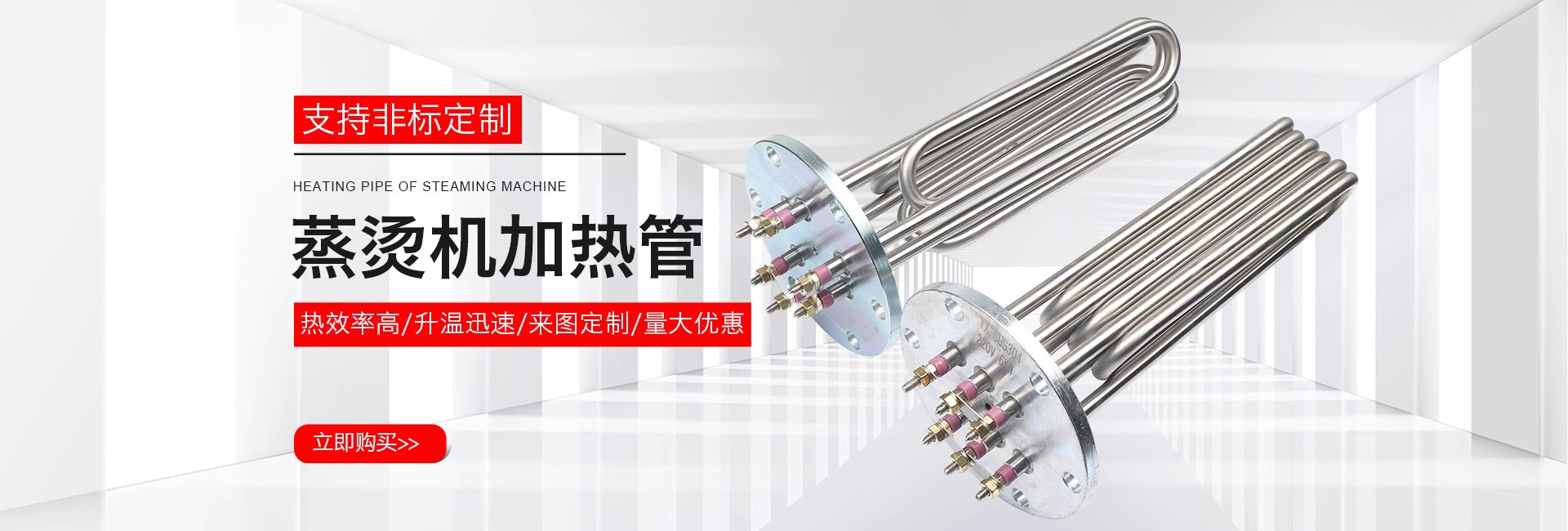
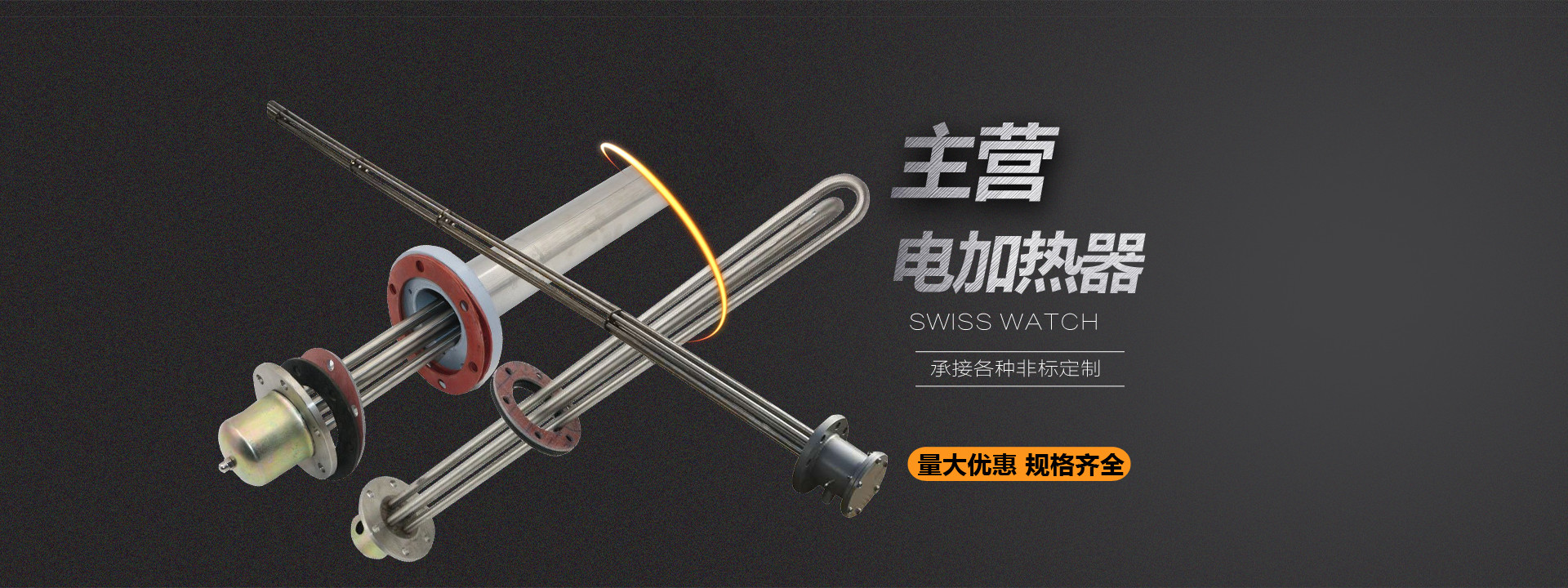

During on-site commissioning, if condensation water is found accumulating in the wiring cavity of a sheathed-type heat exchanger, or if localized overheating and discoloration appear on the sheath surface, this is often related to deviations in the judgment of sheath material and medium compatibility during the selection stage. The following summarizes common issues in selection and operation from the perspective of a technical engineer.
The sheath material should be selected according to the corrosiveness of the medium: carbon steel sheaths are suitable for non-corrosive media such as neutral water and heat transfer oil; stainless steel sheaths (304/316L) can be used for weakly acidic or weakly alkaline applications or occasions with low chloride ion content. Before selection, the medium name, concentration, and operating temperature should be provided so that the supplier can verify material compatibility and avoid pitting corrosion of the sheath caused by material mismatch.
When the power density is too high and the flow velocity is too low, the sheath surface is prone to scaling and localized overheating. It is recommended to calculate the actual flow velocity based on the medium flow rate; generally, the liquid flow velocity should not be lower than 0.5 m/s, and the gas flow velocity should not be lower than 8 m/s. If the on-site flow velocity cannot be increased, the power density should be appropriately reduced or the heat exchange area increased to control the sheath surface temperature.
The sheath design reduces the risk of the medium directly contacting the resistance wire. During selection, the sealing grade between the sheath and the wiring cavity should be confirmed; for humid occasions, IP65 or higher protection structures are recommended; the wiring cavity should be independently sealed to prevent condensation water from entering along the cable. During installation, ensure that the sheath is fully immersed in the medium to prevent dry burning.
Regularly check the scaling and corrosion on the sheath surface; when the scaling thickness exceeds 0.5 mm, cleaning should be arranged; measure the temperature of the wiring cavity and the sheath end; an excessive temperature difference indicates poor internal contact or abnormal heat dissipation. Keep the wiring cavity dry during shutdown, and verify whether the sheath material still matches the medium when replacing components.

