
In heat exchange systems in the chemical, pharmaceutical, and other industries, shell and tube heat exchangers often experience abnormally high shell-side pressure drop, tube bundle vibration, or tube sheet weld cracking caused by thermal stress. These problems are mostly related to insufficient consideration of fluid physical properties, thermal expansion, and installation methods during the selection stage.
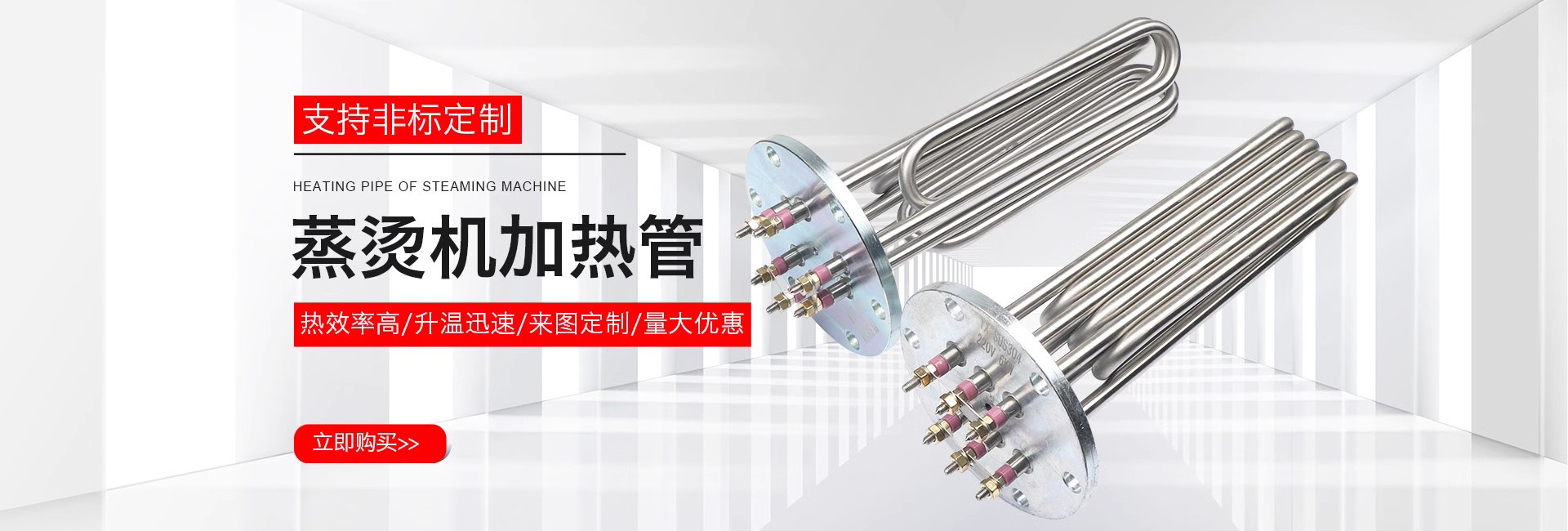
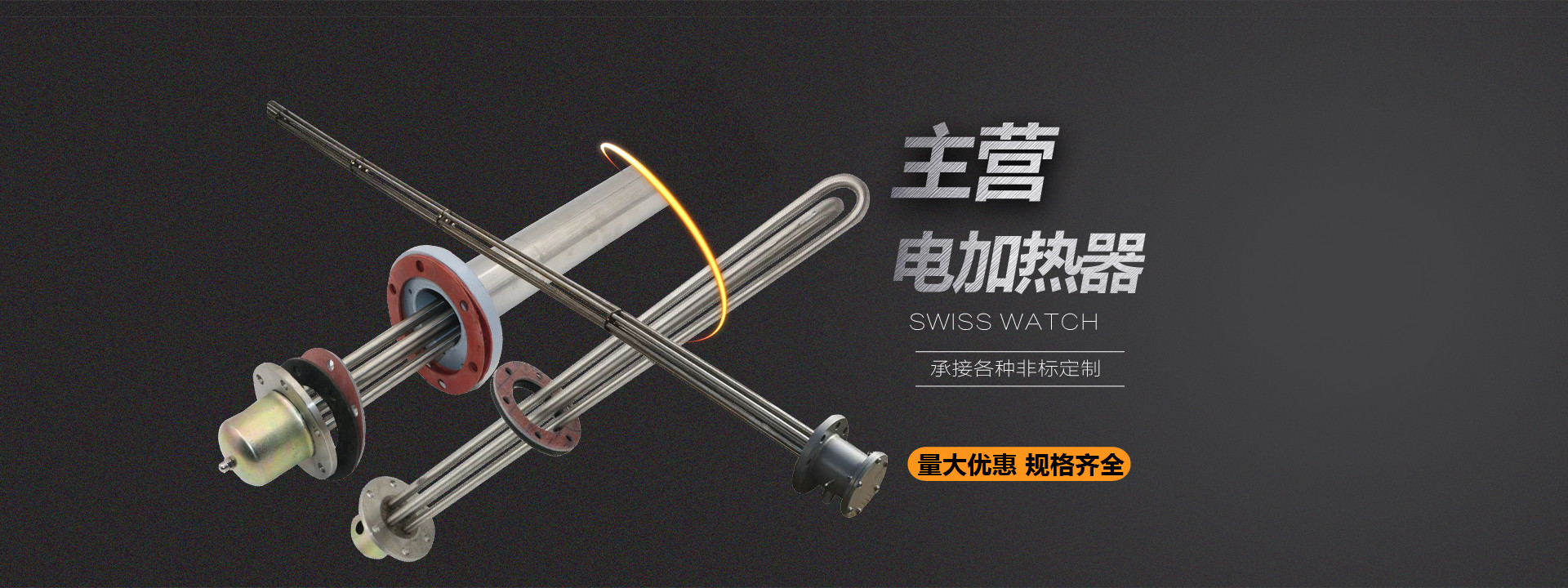
When the medium temperature reaches the set value required by the process, the control system adjusts the output power of the electric heater based on the temperature sensor signal after PID calculation, thereby controlling the temperature of the resistive load of the heating element. During design and selection, the corrosiveness, viscosity, and operating pressure of the medium must be confirmed to determine the materials and flow rates of the tube side and shell side.
SCD-220: rated voltage 220V, rated power 10kW, maximum operating temperature 1050°C, heating size 18.5m; SCD-110: rated voltage 110V, rated power 5kW, maximum operating temperature 1050°C, heating size 9.25m; SCD-55: rated voltage 55V, rated power 2.5kW, maximum operating temperature 1050°C, heating size 4.625m. The above parameters are for reference in selection calculations, and actual use must be combined with the system heat load and safety margin.
The equipment should be installed in a location convenient for tube bundle extraction and inspection, with space reserved for pulling out the tube bundle. During operation, the temperature difference between the inlet and outlet of the shell side and tube side should be checked regularly. If it deviates from the design value, scaling or internal leakage should be investigated. When shutting down, drain the accumulated liquid to prevent low-temperature freezing cracking or corrosion.