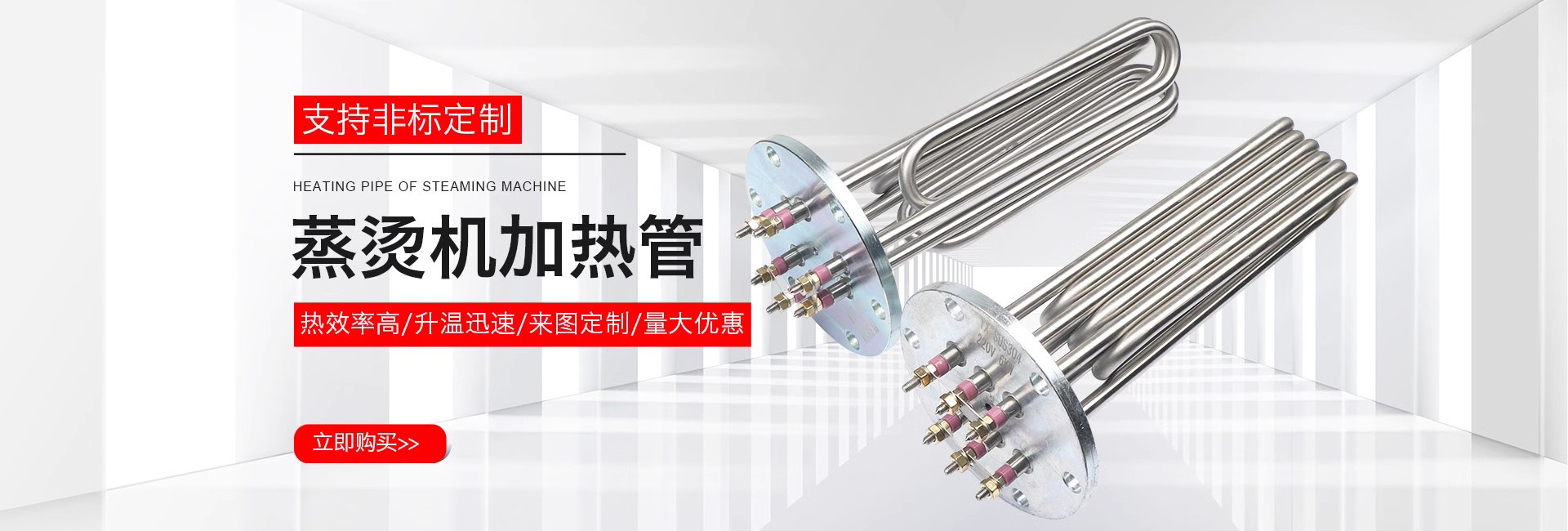
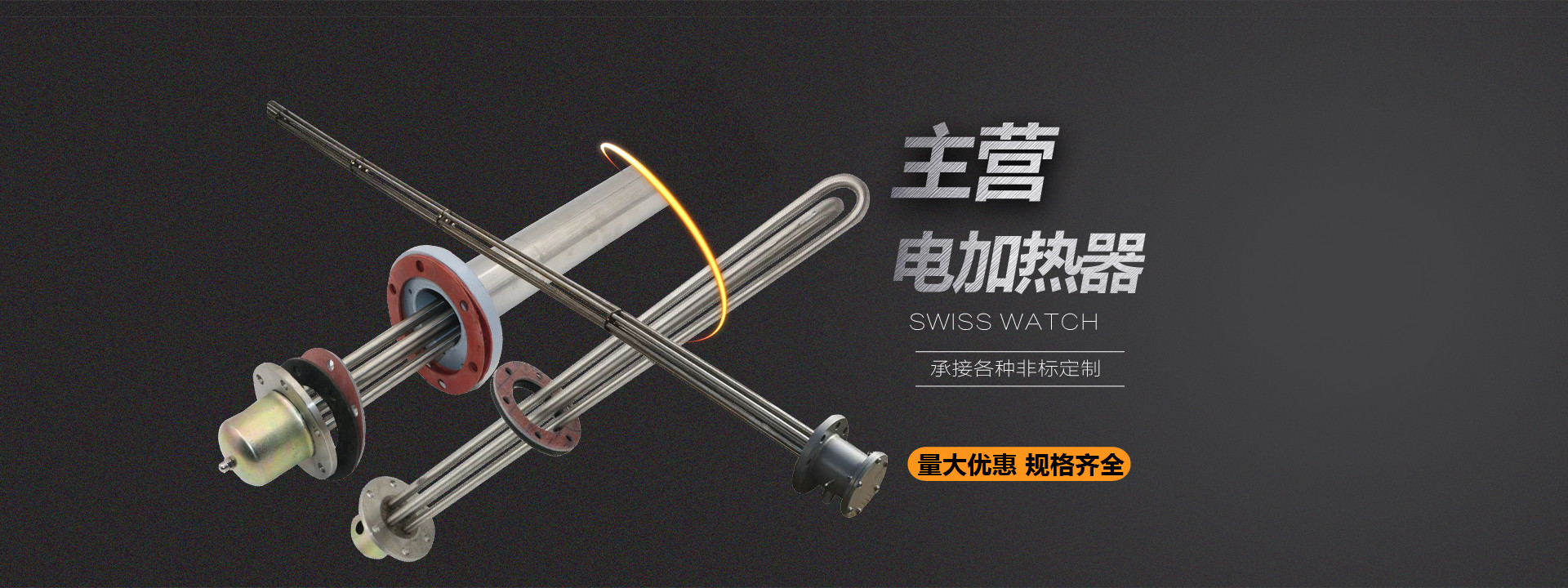

A: Before installation, check the voltage, surface power, and dimensions. Common voltage levels are 220V or 380V, surface power is typically controlled at 2-4W/cm², and dimensions must match the site foundation. For example, a certain specification has dimensions of 600×400×500mm, connecting flanges per JB/T81-94 standard, with a diameter of φ100mm. A temperature controller can be installed in the explosion-proof junction box to meet different temperature control needs. Note that actual parameters should be based on the factory nameplate and accompanying documents.
A: When the medium is clean gas or low-viscosity liquid, plain fins can be used; if the medium contains dust or tends to scale, serrated fins are recommended to reduce clogging risk. For corrosive media, stainless steel or titanium fins should be used. During selection, provide the medium name, concentration, flow rate, and inlet/outlet temperatures to calculate the heat exchange area.
A: Common faults include fin clogging, internal leakage, and abnormal pressure drop. During troubleshooting, first check the inlet/outlet pressure difference. If the pressure difference continues to rise, it may be fin fouling, requiring chemical cleaning or mechanical cleaning. If medium cross-contamination is found, shut down for a leak test, focusing on brazed welds. During daily operation, it is recommended to record pressure drop and temperature data quarterly for trend analysis.
A: Maintenance includes: regularly cleaning dust from fin surfaces, checking whether flange gaskets are aged, and verifying the accuracy of temperature controller operation. For explosion-proof applications, regularly check the sealing of the junction box to ensure explosion-proof performance. When shutting down, drain all internal media to prevent freezing cracks or corrosion. Maintenance records should be archived for traceability.