
Q: When purchasing a 300KW molten salt circulation electric heater, what key parameters related to flanged electric heating tubes should be considered?
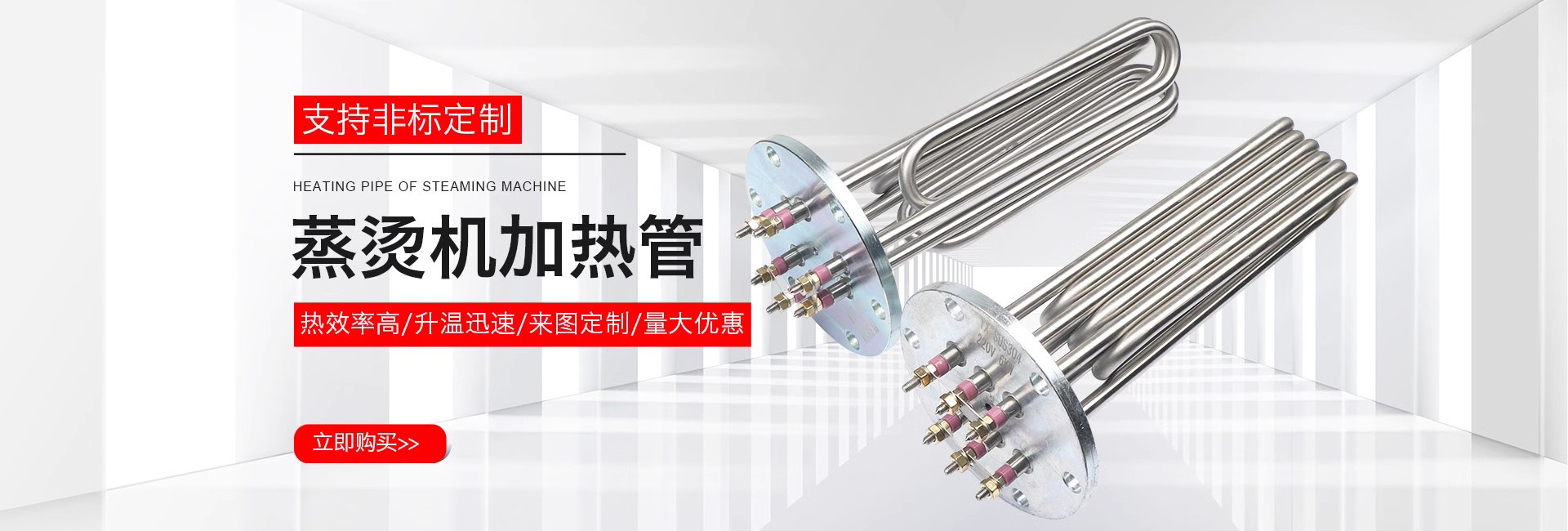
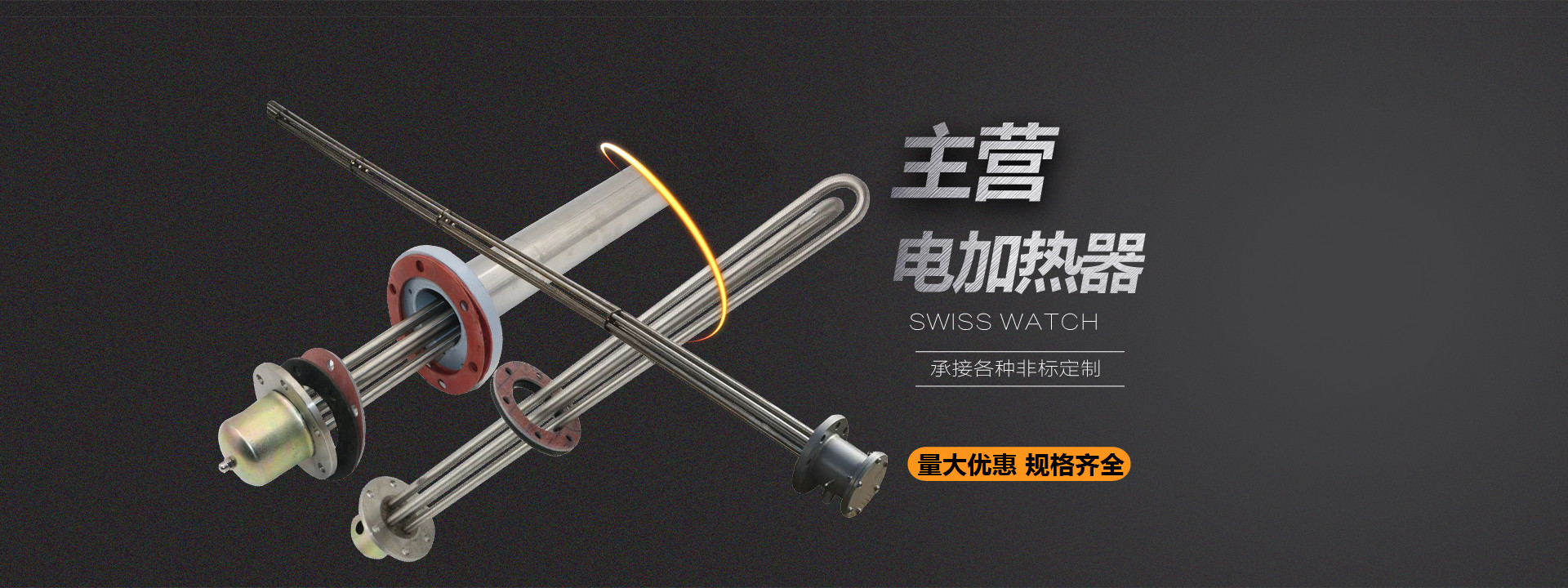
A: Molten salt circulation electric heaters typically use flanged electric heating tubes as heating elements. Purchasers should focus on: whether the surface heat load at the rated power of 300KW is reasonable to avoid local overheating that causes molten salt decomposition; the compatibility of flange specifications with pipeline interfaces, commonly DN80-DN200; the heating tube material must withstand molten salt corrosion, generally using stainless steel 316L or Incoloy alloy; under a maximum operating temperature of 200°C, the insulation resistance and dielectric strength must comply with standards such as JB/T 2379. In addition, the circulation structure requires the electric heater to have good fluid distribution capability to prevent dead zones and coking.
Q: In which industrial scenarios are such electric heaters more commonly found?
A: They are mainly used in solar thermal power storage systems, chemical reactor heating, and molten salt energy storage devices in district energy stations. In solar thermal power plants, 300KW molten salt circulation electric heaters are often used as nighttime insulation or startup preheating equipment to maintain the molten salt temperature at around 200°C, preventing solidification and pipe blockage. In the chemical industry, they are used to heat molten salt from low-temperature tanks to process temperature to meet continuous production needs. Because molten salt has high-temperature thermal stability and low vapor pressure, such electric heaters are also suitable for nuclear auxiliary systems or waste heat recovery loops that require high-temperature heat transfer.
Q: How can the service life of flanged electric heating tubes be extended in daily maintenance?
A: Regularly test the insulation resistance of the heating tubes; if it is below 1MΩ, check for moisture or breakdown. Clean molten salt scale on the flange surface and tube walls to avoid deteriorated heat transfer causing tube wall overheating. Check whether the terminal connections are loose to prevent local burning due to excessive contact resistance. During operation of the circulation pump, ensure the molten salt flow rate is within the design range to avoid the heating tube surface temperature exceeding the 200°C limit due to too low a flow rate. When shutting down, wait until the molten salt temperature drops to a safe range before cutting off power to reduce thermal shock.
Q: How should flanged electric heating tubes be matched with the circulation system during selection?
A: Calculate the required power based on the circulation flow rate and temperature rise requirements. A 300KW unit typically corresponds to a molten salt flow rate of tens of cubic meters per hour. The flange pressure rating should not be lower than the design pressure of the pipeline system, commonly PN1.6 or PN2.5. The arrangement of the heating tubes should be concentric with the flange interface to ensure molten salt flows evenly through each tube. It is recommended to install temperature sensors and pressure gauges before and after the electric heater for real-time monitoring. If the molten salt contains impurities, a filter should be installed at the inlet to prevent particle deposition from causing local overheating of the heating tubes.
