
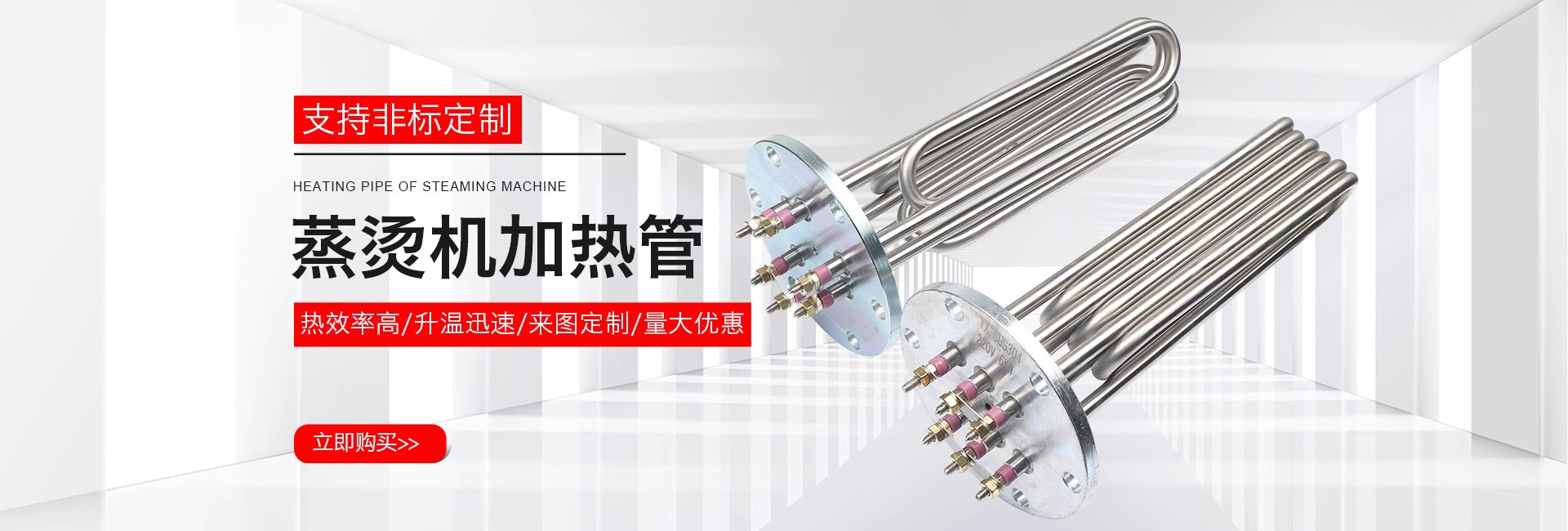
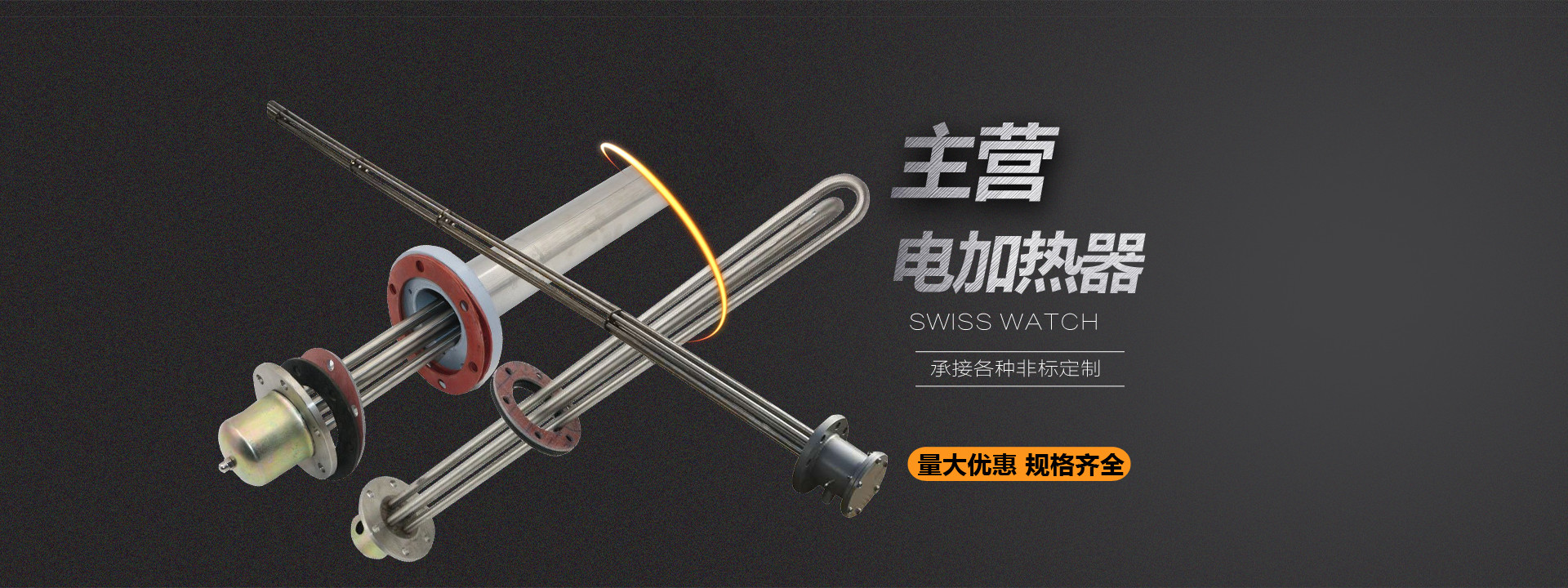
In applications such as mold heating and auxiliary water tank heating, single-end heating rods showing elevated surface temperatures, localized blackening, or decreased insulation resistance are often not due to insufficient power, but rather a mismatch between sheath surface load and medium conditions. For technical engineers, focusing maintenance efforts on sheath condition and installation fit is more effective at extending service life than replacement after failure.
Sheath Surface Load and Medium Conditions Must Be Verified Correspondingly
The sheath material and surface load design of stainless steel explosion-proof heaters must correspond to the corrosiveness and flow state of the medium. In static water, scaling tendency is significant, and the surface load value should be selected with a margin; in flowing media, it may be appropriately increased. During maintenance, if dense scale is found on the sheath surface, the water quality and surface load match should be investigated first, rather than simply increasing power.
Installation Clearance and Sleeve Fit Affect the Heat Dissipation Path
Sleeved structures rely on clearance for heat transfer; excessive clearance or foreign matter adhering to the inner wall of the sleeve will raise the temperature of the heating element. During overhaul, the inner wall of the sleeve should be cleaned, and the fit dimensions between the heating rod outer diameter and the sleeve inner diameter should be verified to avoid forced insertion causing sheath deformation. Lead wire areas should be kept dry to prevent moisture intrusion affecting insulation.
Inspection Sequence for Electrical Protection and Temperature Control Circuits
Over-temperature protection and temperature sensor signals are prerequisites for normal operation of the control circuit. During maintenance, first verify whether the sensor installation position fits the temperature measurement point, then check whether the over-temperature protection operates reliably, and finally measure the cold-state insulation resistance. For explosion-proof products, the sealing components of the wiring cavity should be intact, and fasteners must not be replaced with different specifications arbitrarily.
Status Confirmation Before Shutdown and Re-commissioning
Before re-commissioning after long-term shutdown, first check the sheath for cracks and the wiring terminals for looseness, and conduct a short trial run at low power to observe whether the temperature rise is uniform. If localized overheating is found, recalculate based on surface load and medium conditions, and if necessary, verify the customized solution with the supplier according to drawings, voltage, power, and dimensional parameters.
