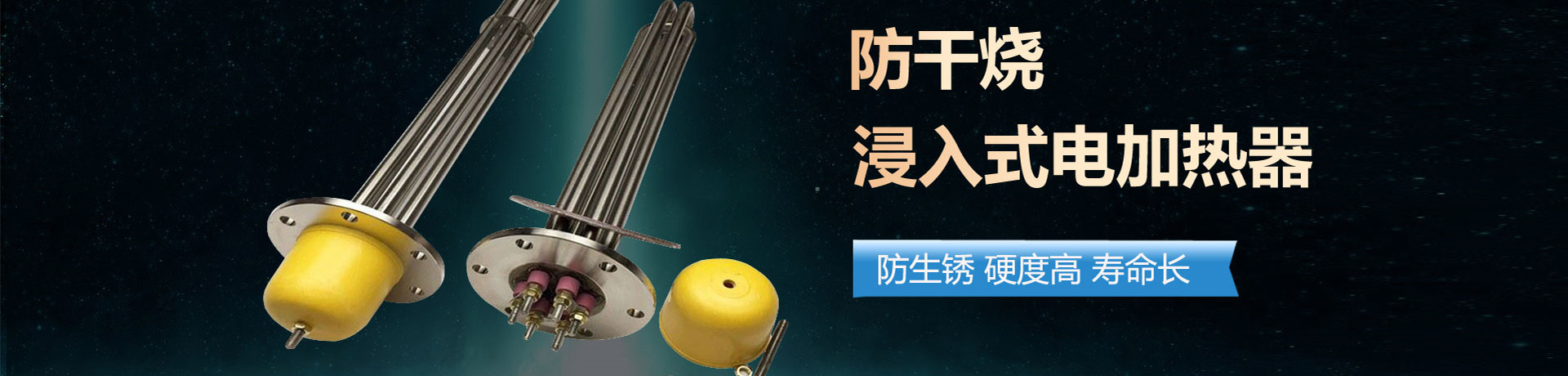
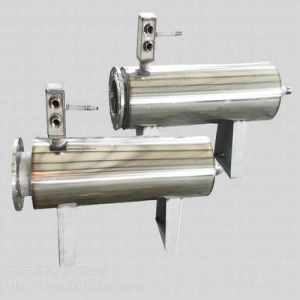
Stainless Steel Electric Heating Tube
“Stainless steel” refers to its material. Electric heating tube, scientific name metal tubular heating element
, the most commonly used. Classification of stainless steel electric heating tubes: single-head electric heating tube, double-head electric heating tube, stainless steel electric heating tube, finned electric heating tube, water heating tube, dry burning heating tube, mold electric heating tube, high-temperature color-changing hose, hot runner heating coil, cigarette equipment electric heating tube, pharmaceutical machinery heating tube, electroplating equipment heating tube, Teflon heater, titanium heating rod, far-infrared heating tube, ceramic electric heating tube, titanium lead-free soldering pot electric heating tube, heating ring, plastic machinery heating ring, etc.
Application range of stainless steel: Stainless steel finned electric heating tubes can be installed in air ducts or other heating occasions with static or flowing air; widely used in hardware stamping, machinery manufacturing, automotive, textile, food, home appliances and other industries, especially in air conditioner air curtain industry and stamping industry as hot air elements. Common shapes include: I-type (straight tube), U-type, W-type (M-type), O-type (ring), etc. The following briefly lists the structure and data of W-type (M-type) finned heating tubes.
Material Selection
Among the factors affecting the quality of stainless steel electric heating tubes, the quality of materials is very important. Reasonable selection of raw materials for electric heating tubes is the prerequisite for ensuring the quality of electric heating tubes. The material selection includes the following points for reference:
1. Selection principle of tube material: temperature resistance, corrosion resistance.
2. Selection of resistance wire.
3. Selection of magnesium oxide powder.
4. Selection of sealing material.
First, stainless steel 301 material hardens during processing and deformation, used in various high-strength occasions. In the manufacturing of stainless steel heating tubes, the most commonly used is stainless steel 304 material, widely used for heating liquids (without strong acid or alkali) and air heating. It has good comprehensive performance, easy formability, and moderate price, and is most used in heating tube manufacturing. Stainless steel 302 material is actually a variety with higher carbon content than 304, with higher strength after cold rolling.
Stainless steel 303 material contains sulfur, easy to cut, mainly used for occasions requiring easy cutting and high surface finish of stainless steel.
Stainless steel 304L has lower carbon content compared to stainless steel 304. Low carbon stainless steel produces fewer carbides decomposed by heat near the weld during welding, thus minimizing carbon emissions because carbides cause welding corrosion. 305 material has higher nickel content, easy to form due to low work hardening rate. Stainless steel 308 material is generally used for making welding rods.
316 and 317 materials contain molybdenum, used in weak acid and alkali environments, with better acid and alkali resistance than stainless steel 304. 321 material has high titanium content, generally used in high-temperature welding and acid-alkali corrosive environments.
Stainless steel electric heating tubes should choose different stainless steel materials according to different working environments. Analyze specific problems in detail.
Cracking and Inspection
1. Power input test: Apply rated voltage, the power deviation shall not exceed the table below
Rated power input
Rated Input Power (W) |
Deviation
Deviation |
W≦200 |
±10% |
W>200 |
Positive deviation: +5% or 20W (whichever is greater)
Negative deviation: -10% |
2. Dielectric strength test:
a. Dielectric strength at cold state: Withstand 50Hz, 1min voltage, cut-off current 5mA, no breakdown or flashover.
Rated voltage Test voltage
250V 1250V
b. Dielectric strength at working temperature: Withstand 50Hz, 1min voltage, cut-off current 5mA, no breakdown or flashover.
Rated voltage Test voltage
250V 1000V
3. Leakage current at working temperatureUnder full heat dissipation conditions, with 1.15 times rated power input, leakage current ≤0.5mA.
4. Overload test
Under full heat dissipation conditions, power on at 1.27 times rated power for 1 hour, then cool down to room temperature for 0.5 hour (forced cooling allowed), repeat 30 cycles, no damage.
5. Electric heating tube shell sealing test (tube cracking test)
Immerse the electric heating tube in acidified water (2%~3% hydrochloric acid, sulfuric acid or nitric acid) for 3 hours, the two ends of the tube should be at least 5mm above the liquid surface. After the test, it should meet the performance requirements of items 2~3.
6. Sealing performance test
Place the electric heating tube in an environment with temperature 60°C and humidity 95% for 24 hours. After placement, it should meet the performance requirements of items 2~3.
7. Life test
Under full heat dissipation conditions, power on at rated voltage for 1 hour, then cool down to room temperature for 0.5 hour (forced cooling allowed), cumulative working time up to 3000 hours.
In winter in the north, stainless steel electric heating tubes are prone to freezing and cracking, causing serious water leakage. Special attention should be paid to prevention and inspection of stainless steel electric heating tubes. In addition, we should also understand the classification and use of stainless steel electric heating tubes. First, we need to understand the environmental factors that cause stainless steel electric heating tubes to freeze and crack. For example:
1. Outdoor faucets and water pipes should be equipped with anti-freeze devices (freeze-proof hydrants, freeze-proof wooden boxes, etc.).
2. Rooms with water pipes should have door and window gaps sealed, and pay attention to indoor insulation.
3. Places with ice inside the house should also be wrapped with burlap or straw rope.
4. Covering sand washed away by rain during the rainy season should be refilled before winter to prevent the soil layer from being too shallow and freezing the water pipes.
5. Once the water pipe is frozen, do not use fire or boiling water to thaw (which may damage the pipe or faucet due to sudden expansion). Instead, wrap the faucet with a hot towel to help thaw.
Use and Maintenance
Maintenance before use:1. Stainless steel electric heating tubes should be stored in a dry warehouse. If the surface is damp due to long-term storage, measure the insulation resistance with a megohmmeter before use. If it is less than 1 megohm/500V, dry the tube in a drying oven at 200°C.
2. Before installation and use, read the relevant instructions carefully, especially the heating medium of the stainless steel electric heating tube. It should be non-corrosive to the stainless steel electric heating tube material to avoid damage due to incorrect operation.
Maintenance during use:1. The terminals of the stainless steel electric heating tube should be kept clean and dry; otherwise, the insulation performance will be reduced and short-circuit breakdown may occur. If used in environments with chemical corrosion, flammable, explosive liquids or gases, the terminal part should be protected with an insulation sealing device to prevent accidents. When wiring, use two nuts to tighten relatively, do not use excessive force to avoid loosening the lead-out screws and damaging the tube.
2. The heating part of the stainless steel electric heating tube should be fully immersed in the heating medium to avoid heat dissipation not fast enough and exceeding the allowable heating temperature, causing damage. In addition, the lead-out part should be exposed outside the insulation layer of the heater or outside the heater to prevent overheating and damage.
3. When heating certain adhesives such as sodium nitrate, stearic acid, paraffin, etc., reduce the power supply voltage at the beginning to reduce the heating amount of the tube. After completely melting into liquid, raise to the rated voltage (the voltage should not exceed 10% of the rated voltage marked on various electric heating tubes; if lower than rated voltage, the heat generated by the tube will also decrease) for heating.
4. The longer the stainless steel electric heating tube is used, if thick scale or oil stains accumulate on the surface, they should be removed regularly; otherwise, the heat transfer performance will be reduced, and the surface heat load may exceed the rated allowance, causing damage.