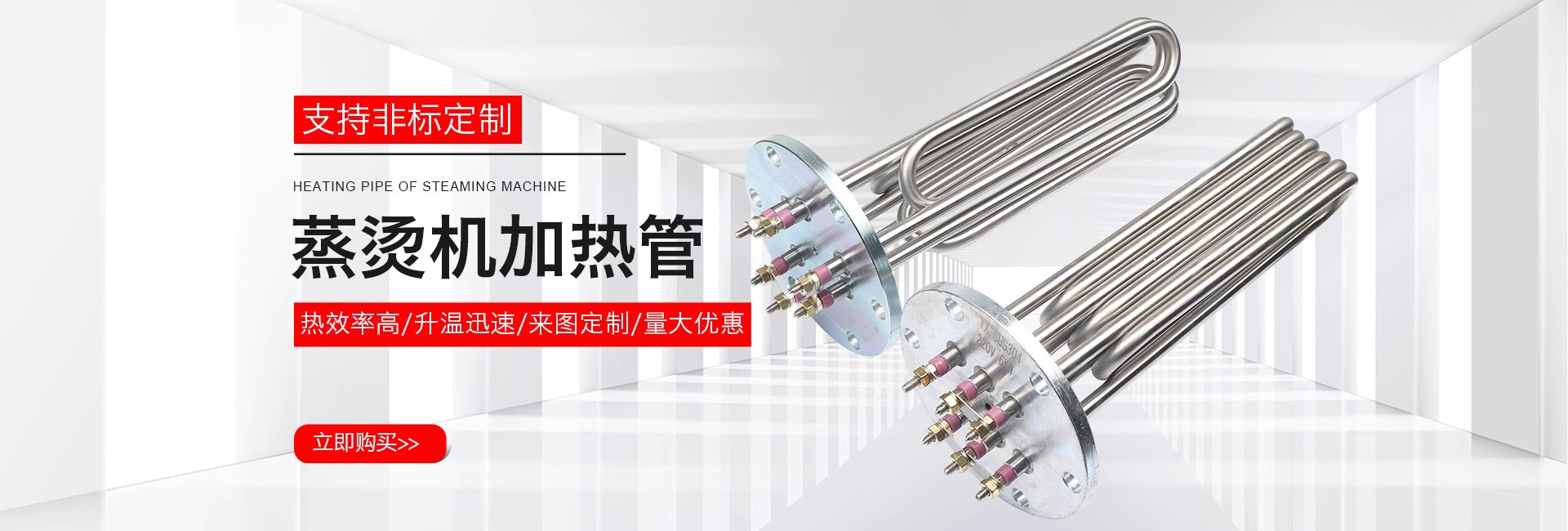
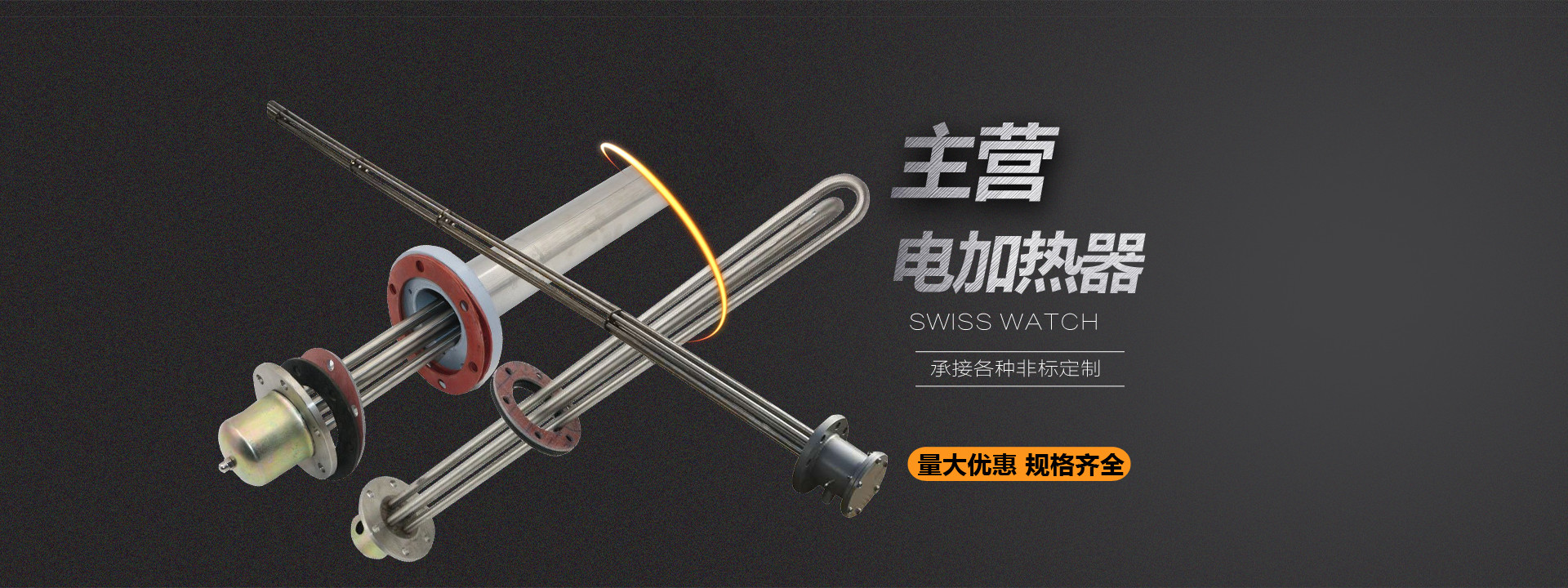

After the GCH-168 shell-and-tube fin heat exchanger arrives on site, first check the nameplate parameters and the orientation of the process pipe connections, and confirm that the base tube material (10# carbon steel, 304 or 316L stainless steel) and the fin material (aluminum or copper) comply with the design documents. Use the lifting lugs provided on the equipment during hoisting to avoid crushing the fins. After positioning, check the tube sheet and flange sealing surfaces for bumps and scratches, and tighten the bolts in a diagonal sequence with evenly distributed force in several passes. Turn the temperature knob to the required value and observe whether the signal lamp displays normally to determine whether the control loop is connected.
During the initial commissioning period, slowly open the hot medium valve to allow the heat exchanger to heat up gradually and prevent concentrated thermal stress. During operation, record the inlet and outlet temperatures and pressure drop every two hours; when the pressure drop rises by 15% above the initial value, arrange for blowing down the fin surfaces. During inspection, pay attention to whether there is dust accumulation or scaling at the fin roots and whether there are signs of leakage at the tube box flanges. When the signal lamp flashes abnormally, first check the temperature sensor wiring, then inspect the contactor contacts of the control loop.
The specifications and arrangement of the fin tubes can be adjusted according to the on-site space; do not step on the fins during maintenance. Blow down dust with compressed air along the direction of the fin gaps; after water washing, the equipment must be thoroughly dried before being put back into operation. If the process medium contains corrosive components, periodically sample and measure the base tube wall thickness, and arrange replacement when the wall thickness is reduced to 80% of the design value. For winter shutdown, drain all water from the tubes to prevent freezing cracks.
When the outlet temperature remains low, first confirm the hot medium flow rate and inlet temperature, then check whether the fins are extensively collapsed or blocked. A sudden increase in pressure drop is mostly related to the accumulation of foreign matter between the fins; it will recover after shutdown and cleaning. When the signal lamp of the control loop does not light up, troubleshoot step by step in the order of power supply, fuse, and sensor, and avoid directly replacing the entire control board.

