
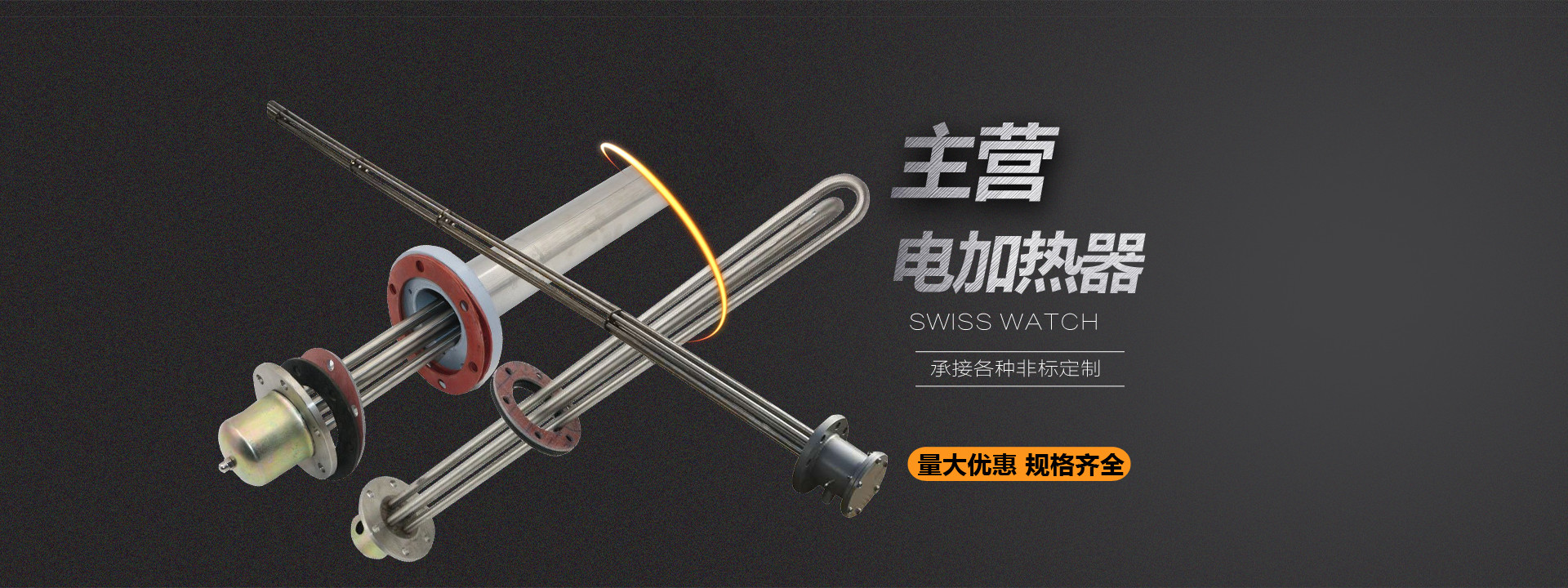
In explosive gas environments (such as areas at risk of kitchen gas leakage), the selection of electric heating equipment must first confirm the explosion-proof rating and installation specifications. BGY2/BGY4 explosion-proof electric heaters use round flange or square flange (add F after the model) connections, are suitable for 220V or 380V voltage, and a temperature controller can be configured in the wiring cavity. The following is a review, from the perspective of a technical engineer, of several aspects that need attention during selection.
I. Adaptation of Explosion-Proof Structure to the Installation Environment
The isolation design between the wiring cavity and the heating area of an explosion-proof electric heater can reduce the risk of internal sparks igniting the external explosive mixture. During selection, it is necessary to confirm the hazardous area classification of the usage site and check whether the heater's explosion-proof marking matches the on-site gas group and temperature group. Among flange connection forms, the square flange (F type) is suitable for specific installation spaces, while the round flange facilitates connection to standard pipeline or vessel interfaces.
II. Voltage and Temperature Control Configuration
BGY2/BGY4 supports 220V or 380V voltage, and the choice should be based on on-site power supply conditions and heating power. If a temperature controller needs to be integrated into the wiring cavity, the temperature control range and accuracy requirements should be clearly specified at the time of ordering. The temperature controller is installed directly in the explosion-proof cavity, which can reduce external wiring, but attention must be paid to the explosion-proof compliance of its adjustment knob or signal interface.
III. Confirmation of Flange Standards and Installation Dimensions
The connecting flange refers to the specifications with a nominal diameter of φ in the JB/T81-94 standard. During selection, the nominal diameter, pressure rating, and sealing surface form of the pipeline or vessel interface must be provided. The bolt hole spacing of the square flange (F type) is different from that of the round flange, and it must be checked against the equipment interface during the drawing review stage to avoid on-site installation failure.
IV. Maintenance and Usage Precautions
Regularly inspect the flange sealing surface and the flameproof surface of the wiring cavity to prevent corrosion or mechanical damage from affecting explosion-proof performance. When replacing the temperature controller, components of the same explosion-proof rating and certified should be selected. After the heater has been out of service for a long time and is restarted, the insulation resistance should be measured and the wiring confirmed to be correct.
