
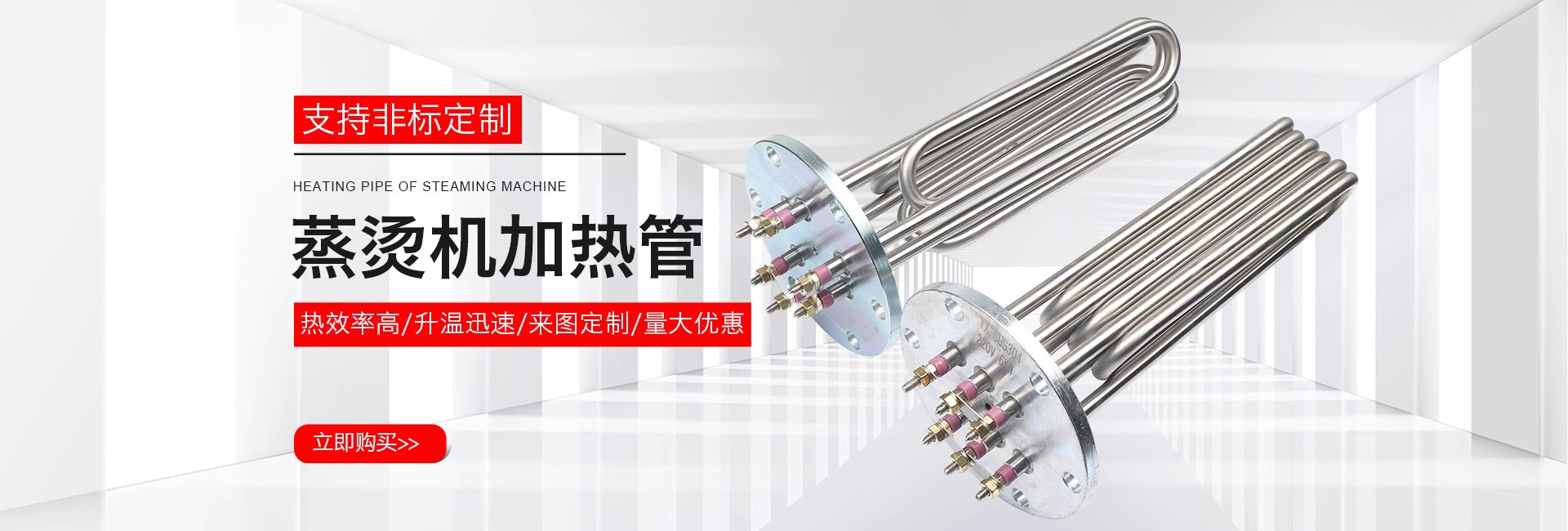
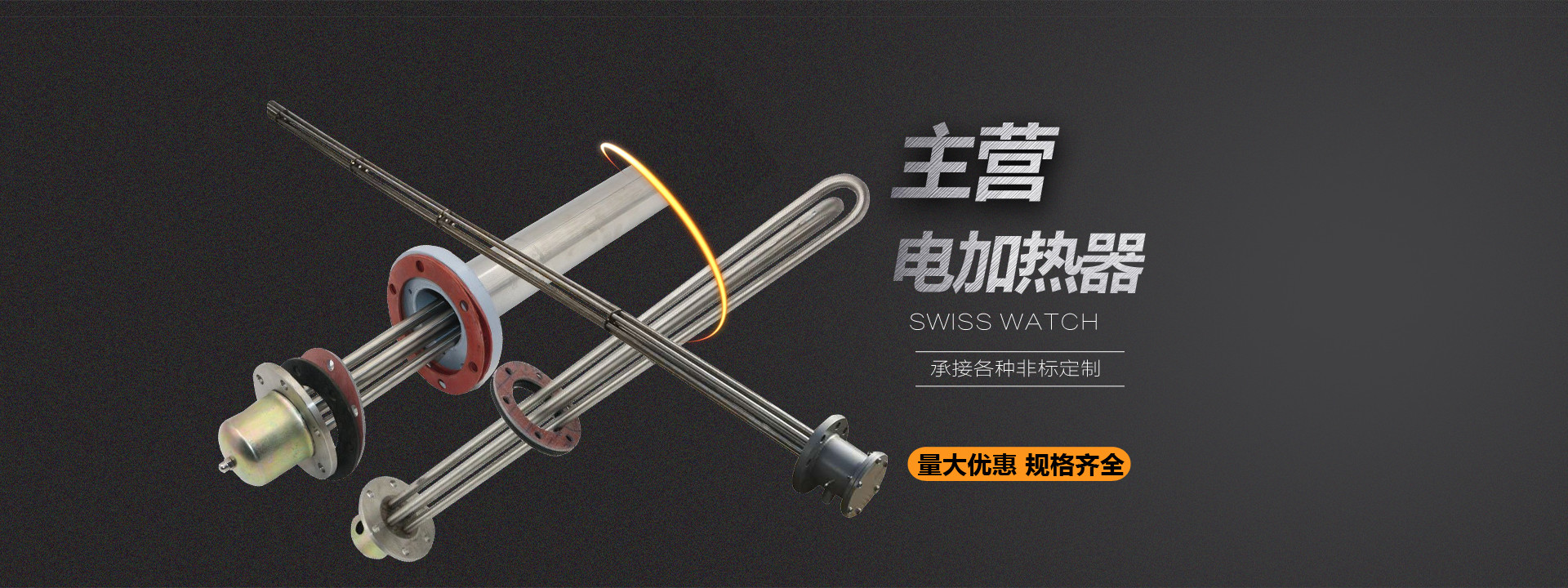
When procuring temperature control cabinets matched with bolt heaters, first verify the output parameters: taking the ZJK-I DC adjustable control cabinet as an example, its output voltage is continuously adjustable within the 0-220V range, and it can carry up to 12 load channels, making it suitable for multi-station bolt heating scenarios. The "adjustable" and "multi-channel" specifications in the parameter table must be checked against the number of on-site heaters and the power per unit to calculate total capacity and avoid full-load operation.
Point 1: Clarify the heater type and power supply type. DC bolt heaters should be paired with DC output control cabinets, while AC heaters correspond to AC voltage regulation solutions. The ZJK-I is a DC adjustable type; before connection, confirm that the rated voltage of the heating rods matches the cabinet output range, and do not mix AC and DC interfaces.
Point 2: Calculate the number of load channels and per-channel power. The control cabinet is rated for up to 12 channels, but the actual number of channels that can be carried is limited by per-channel current and total power. During procurement, list the voltage, current, and simultaneous operating quantity of each heating rod, and reserve margin based on total power to avoid overload when multiple channels are turned on at the same time.
Point 3: Pay attention to voltage regulation procedures. Before starting the ZJK series control cabinet, the voltage adjustment knob and indicator should be at the minimum position, then gradually increase voltage to the process setpoint; the WQJ low-voltage control cabinet strictly prohibits voltage gear shifting under load, and the load must be disconnected before shifting gears. These operating requirements should be confirmed with the supplier during procurement and incorporated into on-site operating procedures.
Point 4: Determine protection and heat dissipation methods according to the application scenario. Bolt heaters are often used in on-site operations such as steam turbine bolt disassembly and flange tightening, where the control cabinet may be exposed to dust, moisture, or confined spaces. During procurement, verify the cabinet protection rating, heat dissipation method, and cable entry/exit direction, and if necessary, select models with added isolation transformers or filter units.
Point 5: Verify protection functions and display accuracy. DC adjustable control cabinets should have overcurrent, overvoltage, short-circuit, and overtemperature protection, and the accuracy of voltmeters and ammeters should meet process reading requirements. For multi-channel output, independent switches or grouped control for each channel facilitate switching individual heating rods and reduce misoperation.
Point 6: Maintenance and spare parts preparation. The control cabinet should be regularly cleaned of internal dust, and terminal tightness should be checked; voltage adjustment knobs and contactors are wearing operating parts, so spare part models and replacement cycles can be confirmed during procurement. After long-term shutdown and before recommissioning, first test the output voltage with no load, then connect the heating rods.
