
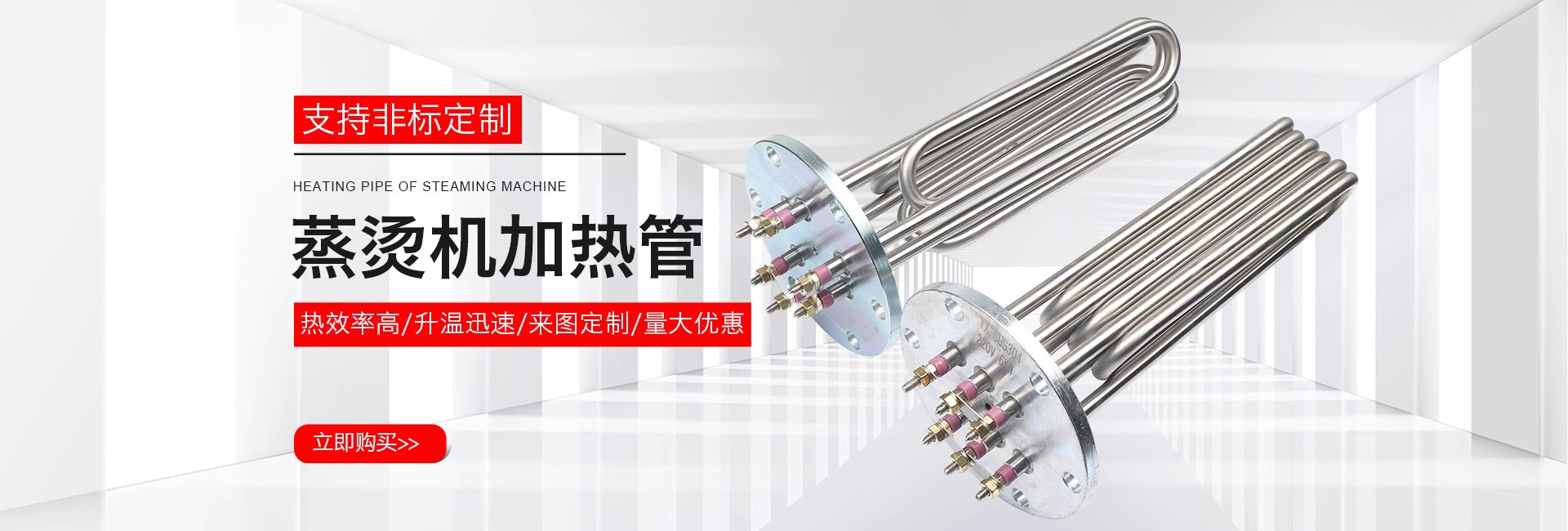
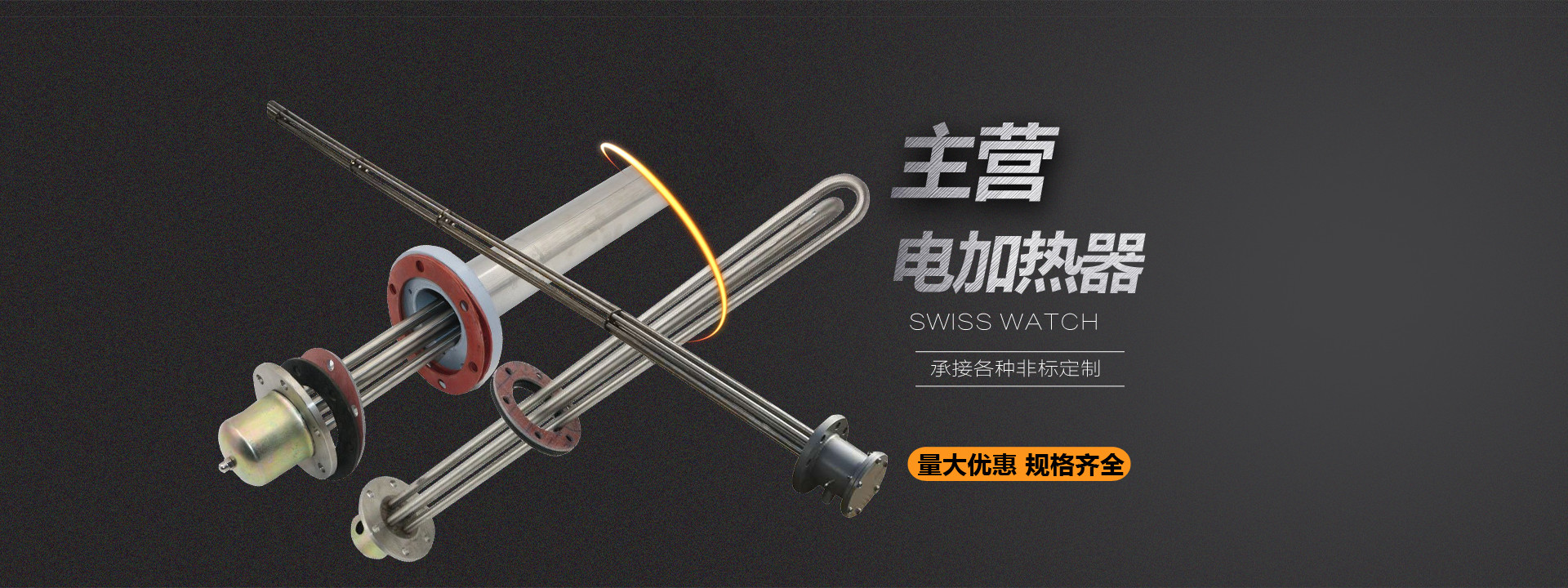
When field O&M personnel receive an HRY2 sheathed heat exchanger, they should first verify three basic parameters: the terminal box protection rating, the medium working pressure, and the effective sheath length. These three items directly determine whether the equipment can operate stably in humid or outdoor environments.
**Terminal Box Sealing and Protection Rating**: The HRY2 terminal box uses a sealed structure with an IP54 protection rating, capable of handling humid environments and general outdoor conditions. During inspection, check whether the sealing ring is aged, whether the compression bolts are loose, and whether the cable entry plugging is intact. If condensation appears inside the box, investigate the sealing surface and cable entry rather than simply wiping it dry and continuing operation.
**Working Pressure and Temperature Boundaries**: Taking the SLR-42 sheathed heat exchanger as a reference, the working pressure for medium- and low-temperature heat exchange scenarios does not exceed 1.6 MPa, and the temperature range is -20°C to 150°C. During O&M, verify whether the actual system pressure and temperature fall within this range. Overpressure or overtemperature operation will accelerate seal aging and affect heat exchange stability.
**Sheath Length and Temperature Measurement Accuracy**: The sheath length should cover the effective area of the temperature measurement point. If the length is insufficient, the measured value will deviate from the true medium temperature, leading to distorted operating judgments. When servicing or replacing the sheath, measure the insertion depth at the installation position rather than estimating by eye.
**Medium and Fouling Observation**: Periodically check the outer wall of the sheath for pitting, fouling, or deposits. Fouling will alter heat transfer conditions, while pitting indicates that the medium may contain corrosive components; decide whether to adjust the material or cleaning cycle based on medium verification results.
**Daily Records**: Include pressure, temperature, sealing status, and cleaning time in inspection records to facilitate trend comparison and reduce unexpected downtime.
