
Glass heating rod: Generally made of explosion-proof glass shell, it has the characteristics of low price, wide range of use, and can be used in various aquariums. The disadvantage is that it is easy to break. If used in large fish tanks, it must be equipped with a protective cover to avoid being damaged by fish.
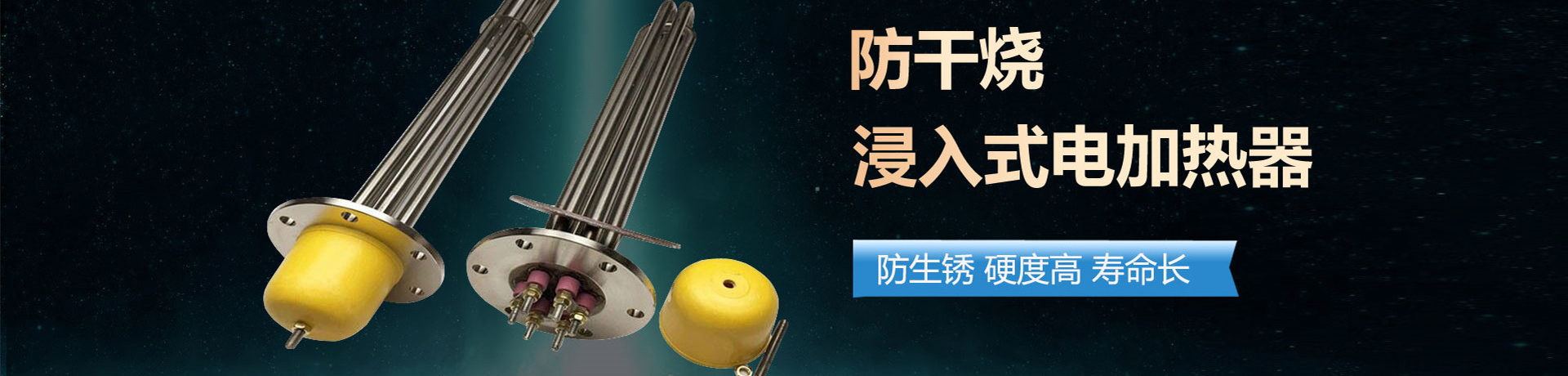
Stainless steel heating rod: Generally made of stainless steel shell, it has the advantages of being sturdy, durable, and textured. However, the disadvantage is that it cannot be used in certain corrosive environments, such as seawater tanks.
Quartz heating rod: Made of opalescent quartz tube processed by special technology, equipped with resistance synthetic materials, durable, anti-corrosion, and can be used in seawater tanks. However, the disadvantage is that the price is relatively high.
Ceramic heating rod: PTC ceramic heating rod is a commonly used ceramic heating rod, composed of PTC ceramic heating element and aluminum tube. It has the advantages of low thermal resistance and high heat exchange efficiency, and is an automatic constant temperature, energy-saving electric heater. Another MCH ceramic heating rod uses alumina ceramic, which is a new type of high-efficiency, environmentally friendly, and energy-saving ceramic heating element with built-in heating wire. Compared with PTC ceramic heating elements, MCH materials are more environmentally friendly, saving 20-30% of electricity under the same heating effect, and have a longer service life.
Usage Precautions:
① Do not power on the heating rod in the air. Because it heats up extremely fast in the air, it may burn out the heating rod at best, or shatter the glass or burn hands at worst. Even after power off, do not immediately take it out of the water, as the temperature is still very high at this time, which can easily burn people and damage the heating rod.
② It is recommended to replace the bimetallic heating rod after one to two years of use, because the internal bimetallic strip is prone to malfunction after long use, to avoid unnecessary losses. The replaced heating rod can be used as a spare or for heating during water changes.
③ Repairing a heating rod is not cost-effective. Ordinary bimetallic heating rods are relatively inexpensive, and there is no guarantee of safety after repair. Ordinary people cannot repair split heating rods, and the cost of hiring a professional for repair is not much less than buying a new heating rod.
④ When changing water, be careful not to let the water level drop too low and expose the heating rod.
⑤ Frequently observe the heating rod and thermometer. Do not rely on the indicator light of the heating rod; the water temperature should be the standard.
Usage Experience:
1. Heating rods have a service life, generally not exceeding two winters. Over time, the wires age, contacts oxidize, and may malfunction. Even imported heating rods claim a lifespan of 1-2 years in the manual. To be safe, you can use the heating rod in combination with a thermostat. There are many brands of domestic thermostats, and the price is not high. Set the heating rod temperature slightly 2°C higher than the thermostat, so double insurance can avoid the tragedy of boiling fish soup.
2. Power selection of heating rod: Generally, calculate based on the volume of the tank. Each liter of water requires 2W of heating power. If a tank has 300 liters of water, the total power of the heating rod should be at least 600W. Heating in winter may be the most power-consuming expense. I strongly recommend that you insulate your tank. Buy a few 2 cm thick foam boards, stick them on the back and sides of the tank, and make a well-sealed lid for the fish tank, which can greatly reduce energy loss. This only takes a little time and a small amount of money, but can save a lot of electricity bills. Why not? Remember, every penny we pay is our own labor reward, why go against your wallet?
3. Placement of heating rod: When raising large fish, the heating rod should be fixed securely, because some large fish can easily knock it against the tank wall and break it with a tail flick. Do not bury the heating rod in the substrate, nor let it directly contact the glass. Some fish friends have had the heating rod directly contact the glass, causing the glass to break due to uneven heating. Place the heating rod diagonally or horizontally for better heat dissipation, even though it may not look good. Because heated water rises, a vertically placed rod has a relatively small temperature difference between the hot water generated at the bottom and the top, resulting in slower heat conduction, which undoubtedly reduces heating efficiency, prolongs heating time, and wastes energy. For clumsy fish like discus, it is best to add a sleeve to the heating rod to prevent burns. If there are two heating rods in the tank, try to place them on both sides of the tank for even heating. The thermometer should be placed farthest from the heating rod to ensure that the water temperature measured is not from the just-heated hot water.
4. It is best to have a spare heating rod at home. Otherwise, if the rod breaks at night, you won't have to jump in panic.
5. The red light of the bimetallic heating rod does not indicate good working condition; the water temperature should be the standard. Because if the resistance wire is broken, the water temperature drops, the bimetallic strip connects the circuit, but cannot heat, so the red light stays on for a long time. Of course, sometimes when the temperature is reached, the metal strip may not disconnect, causing the temperature to continue rising, which can also manifest as the red light staying on.
Selection Method
When choosing a heating rod, power matching must be considered. Generally speaking, every 5 liters of water requires 10W of power. For example, an aquarium 90 cm long, 30 cm wide, and 38 cm deep has a volume of 100 liters, and should use a 200W heating rod. For larger aquariums of 90 cm or above, two 100W heating rods should be used and placed at both ends of the aquarium for even heating and better results.
If your fish tank can meet the heating requirements with a single 300W heating rod, then I suggest you use two 150W or 200W heating rods. This way, the tragedy caused by the failure of a single heating rod combined with your negligence will not occur. Preparing two heating rods ensures that both will not fail at the same time, thus guaranteeing the temperature requirements for your beloved fish. The power consumption of two 200W heating rods is not much different from that of one 300W heating rod! (Under the same ambient temperature and insulation conditions) I have specifically tested this with an electricity meter!

