
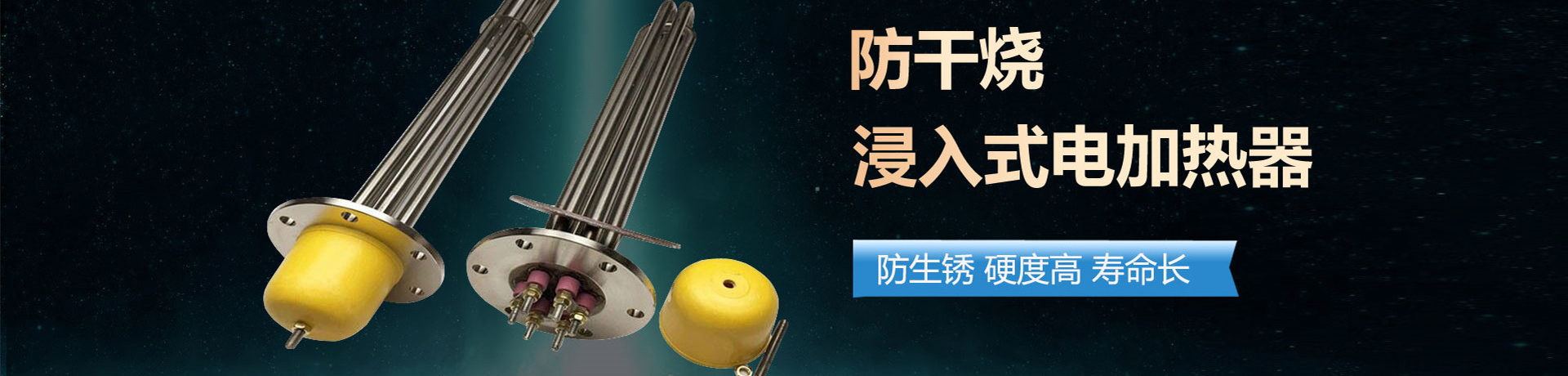
Various Types and Working Principles of Electric Heating Elements
These elements are mostly divided into four types: heating wire, thermistor, conductive coating, and heating film. Among them, heating wire is very common in ovens. Different models of ovens have different thicknesses of built-in heating wires, naturally resulting in different heating effects. This type of heating element emits light and heat when current passes through, but its disadvantage is low heating efficiency. Heating rods and heating pads on the market are all manufactured based on heating wires.
Next is the thermistor. This type of electric heating element is characterized by its ability to effectively control the heating temperature of the device. When the temperature rises, the resistance of the thermistor changes. Once the resistance changes, the temperature of the resistor due to the thermal effect of current changes again, thereby regulating the device temperature through this cycle. Hair dryers and electric irons are equipped with this element.
Then there is conductive coating. This substance can be applied to the surface of insulating conductors to achieve the effect of an electric heating element. This coating itself has a wide range of uses. Its advantage is a large heat dissipation area, but its disadvantage is that it is prone to falling off.
Finally, there is the heating film. The heating film is an electric heating element made by combining the characteristics of thermistors and conductive coatings. This type of element is mainly used for indoor heating, such as the incubator used in chick hatching rooms. These elements have a long service life and high conversion efficiency, without excessive heat loss. However, their disadvantage is that the heating speed is too slow, and after cutting off the power supply, the heat persistence is not long. When using household appliances involving this type of element, always pay attention to your own safety and operate according to specifications.
Previous: Solution for Power Cable Operation Faults of Cable Identifier
Next: Technical Parameters of SMN-1 ABB Drawer Switch Cabinet Contact Pressure Detector
