
Darui Electric recommends
Model | HRY1 | HRY2 | HRY3 | |||||||||
| Voltage V | Surface Power w/cm2 | Dimensions mm | Voltage V | Surface Power w/cm2 | Dimensions mm | Voltage V | Surface Power w/cm2 | Dimensions mm | ||||
| L | L1 | L | L1 | L | L1 | |||||||
| 1KW | 220 | 1.4 | 440 | 360 | 380 | 1.4 | 440 | 360 | ||||
| 2KW | 380 | 1.0 | 1200 | 1120 | 220 | 2.0 | 590 | 510 | 380 | 2.0 | 590 | 510 |
| 3KW | 220 | 2.1 | 790 | 710 | 380 | 2.1 | 790 | 710 | ||||
| 4KW | 380 | 1.8 | 1200 | 1120 | 220 | 2.2 | 1000 | 920 | 380 | 2.2 | 1000 | 920 |
| 5KW | 2.3 | 1200 | 1120 | |||||||||
| 6KW | 380 | 2.8 | 1200 | 1120 | ||||||||
Features:
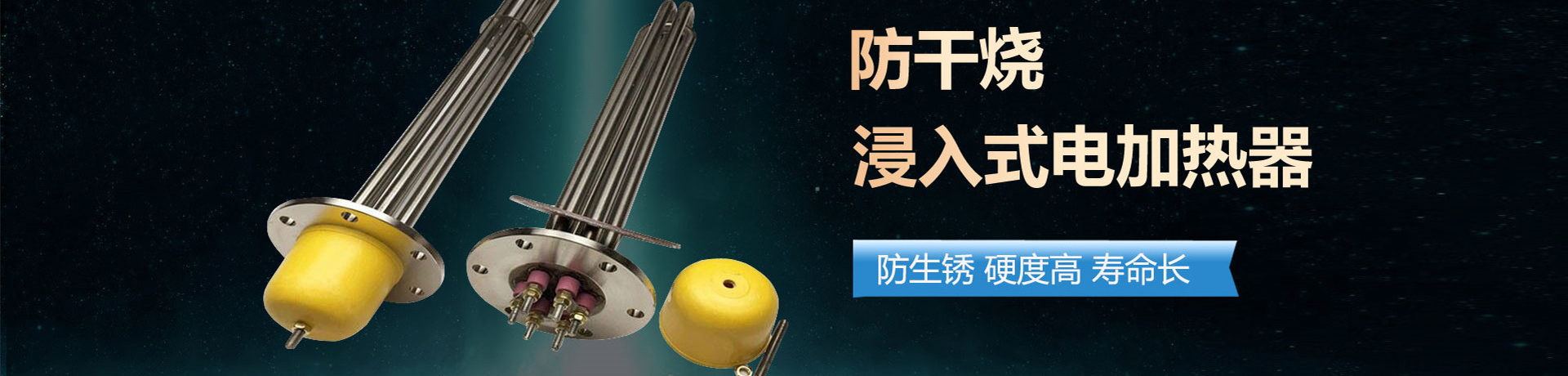
HRY series sheathed tubular electric heater consists of a heating core and a sheath. The heating core uses high-temperature resistant alloy electric heating wire as the heat source, high-temperature resistant ceramic as the insulation medium, and the sheath is made of cold-drawn seamless steel pipe or stainless steel.
The electric heater is connected to the oil tank body by flange. The sheath isolates the heating core from the heated oil. When replacing the electric heater, there is no need to drain the oil in the tank; only the heating core needs to be extracted and replaced with a new one, making maintenance convenient.
The HRY series sheathed tubular electric heater has a large contact area with the heated oil, low surface power, no carbon deposition, and the oil will not be locally overheated and carbonized. It has a long service life, is safe and reliable.
Blackening Treatment
In the production process of electric heating tubes, blackening treatment is sometimes used. Blackening treatment is a process of heat treatment for metal objects such as stainless steel. After treatment, a layer of oxide film is formed on the surface to achieve anti-corrosion and anti-rust purposes. After blackening treatment, the surface wear resistance and hardness of the heating tube are improved, and it does not affect the internal components of the heating tube.
Under normal working conditions, the simplest method for blackening treatment of the heating tube surface involves the following steps:
1. First, clean the metal tube surface to keep it clean;
2. Second, perform degreasing treatment on the surface. This process can completely immerse the metal tube in the degreasing solution. The pH value of the degreasing solution is around 13, and the treatment time is not less than half an hour. After degreasing, rinse with clean water.
3. Next, pickling can be carried out. The pH value of the pickling solution is around 3, and the treatment time should not exceed 10 minutes. After pickling, rinse with clean water;
4. Blackening treatment: The concentration of the bath solution has a pH value between 2-4, and the treatment time is about 10 minutes. After blackening, be sure to clean thoroughly;
5. Finally, dry and oil;
Following the above five points is a very effective method for blackening treatment of electric heating tubes.
Short Circuit Fault
Burned-out Resistance Wire
Causes: A. The electric heating tube burns out causing a short circuit;
B. The lead piece or lead wire of the electric heating tube falls off causing a short circuit;
C. The diameter of the resistance wire is too small, insufficient capacity;
D. Dirt accumulation or carbonization on the electric heating socket causes a short circuit;
E. The power cord plug and the electric heating socket are short-circuited;
Solutions: A. Replace the heating tube;
B. Re-weld;
C. Replace with a suitable resistance wire heating tube. Under normal conditions, iron-chromium-aluminum resistance wire can be used.
D. Remove dirt, repair or replace parts;
E. Repair or replace the power plug or electric heating socket;
No Heating
Causes: A. For adjustable temperature control heating tubes, the thermostat contacts have poor contact or are melted and disconnected.
B. Abnormal power supply or power outage;
C. The resistance wire has melted;
D. Poor contact between the power cord plug and the electric heating socket, or the power cord wire is broken;
E. The electric heating tube has burned out;
F. The lead piece or lead wire of the electric heating tube falls off;
Solutions: A. The heating tube is difficult to repair, it is recommended to replace;
B. Use after normal power supply;
C. The heating tube is scrapped, re-produce and install the same type of resistance wire;
D. Check the circuit for repair or replacement;
E. Replace and install the same specification electric heating tube;
F. Re-weld the lead piece or lead wire;
Electric Leakage
Causes: A. The circuit wire falls off and contacts the cup body;
B. The electric heating tube burns out and short-circuits with the cup body;
C. The ground wire is not connected;
D. Too much dirt on the electric heating socket or power plug;
E. The insulation of the electric heating tube is damaged;
F. Improper cleaning, moisture enters the cup;
Solutions: A. Check the fallen wire and re-solder it firmly;
B. The electric heating tube is damaged, replace with the same specification electric heating tube;
C. Connect the ground wire as required and check if it is correct;
D. Clean properly and dry;
E. Check and repair, if the problem persists, it is recommended to replace;
F. Clean properly and dry;
Note: The above information and technical parameters are compiled and released by Yangzhou Darui Electric Co., Ltd.
