
Use and Maintenance of Stainless Steel Electric Heaters in Daily Life - Yangzhou Darui
Darui Electric recommends
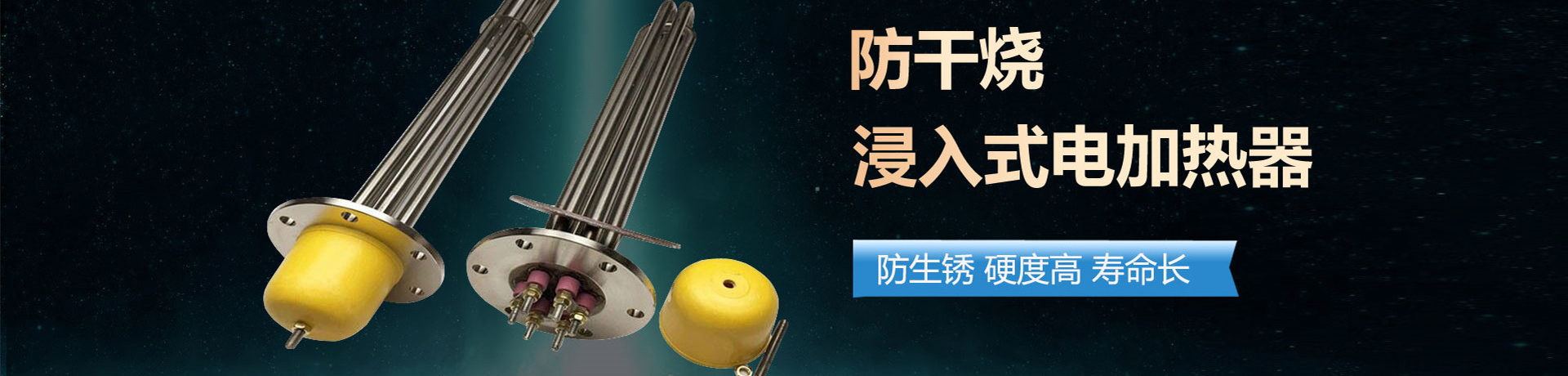
A stainless steel electric heater is a heater with uniform heat distribution, made of thermally conductive metal alloy, ensuring uniform surface temperature and eliminating hot and cold spots on the equipment. It has the advantages of long life, good thermal insulation, strong mechanical properties, corrosion resistance, and anti-magnetic field. Adding insulation devices to the outer heat dissipation surface and sintering infrared rays on the inner heat dissipation surface can save 35% of electricity.
Performance and uses of stainless steel electric heaters:
1. Product features: It has the advantages of simple processing, reliable operation, convenient use, rapid heating, high thermal efficiency, low power consumption, long service life, and no restrictions on model and size.
2. Product applications: Widely used in plastic machinery, packaging and printing, petrochemical, electronic equipment and other industries.
3. Stainless steel electric mica heater uses 0.3~0.5mm stainless steel plate as the shell, with high-insulation and high-temperature resistant mica plate as the core, uniformly wound with various standard specifications of nickel-chromium alloy resistance wire as the heating element, and processed into various required shapes by a forming machine. According to the user's required wiring method, the voltage can be 110V, 180V, 220V, 380V, with a maximum power load of 3.5W per square centimeter. Adding insulation devices to the outer heat dissipation surface and sintering infrared rays on the inner heat dissipation surface can save 35% of electricity. Stainless steel mica heaters are available in coil and plate shapes.
Maintenance of stainless steel electric heaters during use:
1. The wiring terminals should be kept clean and dry; otherwise, the insulation performance will be reduced and short-circuit breakdown may occur. If used in environments with chemical corrosion, flammable, explosive liquids or gases, the wiring part of the electric heating tube should be protected with an insulation sealing device to prevent accidents. When wiring, use two nuts to tighten relatively, and do not use excessive force to avoid loosening the lead-out screws and damaging the electric heating tube.
2. The heating part of the stainless steel electric heater should be fully immersed in the heating medium to avoid heat dissipation that is not fast enough and exceeds the allowable heating temperature, causing damage to the electric heating tube. In addition, the lead-out part of the wiring should be exposed outside the insulation layer of the heater or outside the heater, so that this part should not overheat and be damaged.
3. When heating certain adhesives such as sodium nitrate, stearic acid, paraffin, etc., the power supply voltage should be reduced at the beginning to lower the heating capacity of the electric heating tube. After it completely melts into a liquid, then raise it to the rated voltage for heating.
4. The longer the stainless steel electric heater is used, if a thick layer of tube scale or oil scale accumulates on the surface, it should be removed regularly; otherwise, the heat transfer performance of the electric heating tube will decrease, causing the surface heat load to exceed the rated allowable and damage it.

Note: The above information and technical parameters are compiled and released by Yangzhou Darui Electric Co., Ltd.
