
Compared with conventional heaters, the selection focus of explosion-proof products lies in safety certification compliance and working condition compatibility. First, the explosive gas mixture level and temperature group of the usage environment should be confirmed, and the equipment explosion-proof marking must cover the hazardous area classification requirements on site. Second, the working voltage must not exceed 1.1 times the rated value, and the enclosure should be effectively grounded, which are the basic conditions for ensuring long-term safe operation. For low-temperature startup or humid environments, the heating tube can adopt Epoxy sealing technology, which can prevent moisture and liquid from penetrating, but its withstand working temperature is 150°C and instantaneous temperature is 185°C. During selection, it is necessary to check whether the medium temperature is within this range.
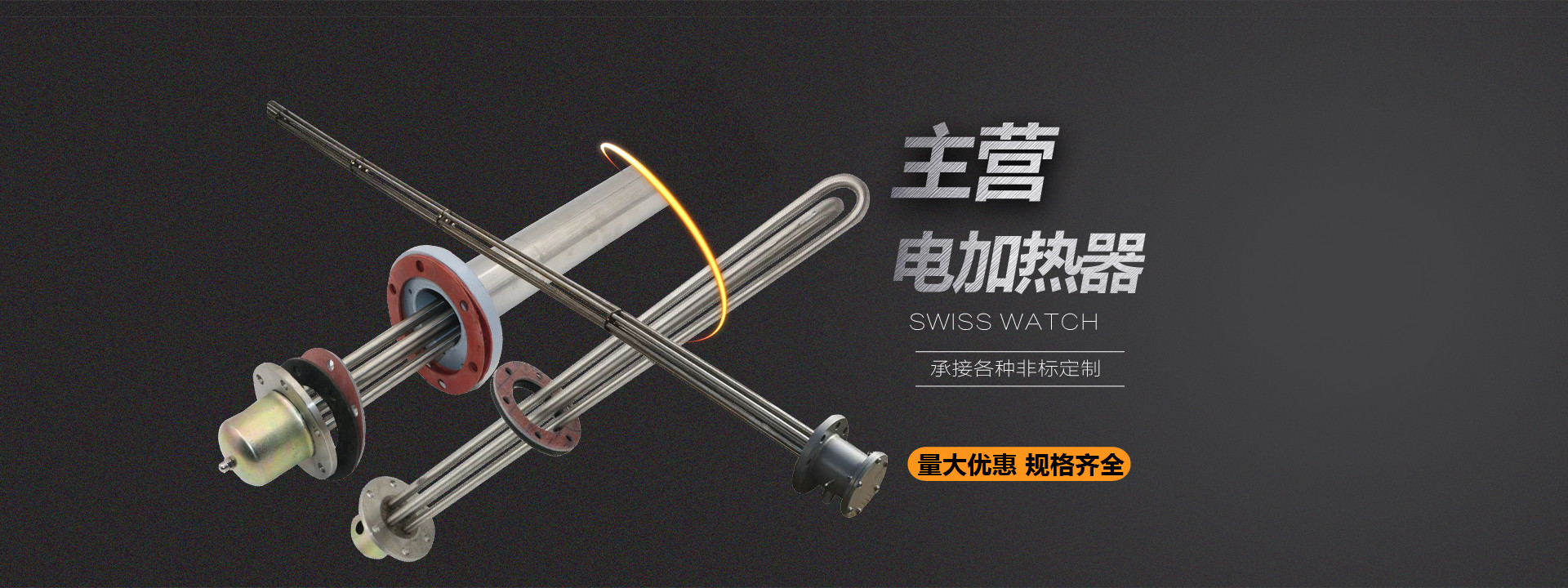
Stainless steel explosion-proof heaters are usually fixed to tanks or pipelines by flange or threaded connection, and an explosion-proof joint surface is set between the wiring cavity and the heating area. The heating element wraps the resistance wire with a stainless steel sheath and is treated by a compaction process to reduce internal gaps, which helps heat conduction. The multiple protection systems include overheat protection and overcurrent protection, which can cut off the power supply under abnormal working conditions and reduce the risk of failure. Compared with ordinary electric heating tubes, explosion-proof products have targeted designs in shell strength, sealing grade, and wire introduction method, and are suitable for heating scenarios where flammable and explosive media exist.
Procurement personnel often pay attention to equipment service life. Actual service life is affected by medium corrosiveness, surface heat load, and installation position. When heating viscous liquids or media prone to scaling, it is recommended to control the surface heat load and clean regularly to avoid local overheating. For low-temperature usage scenarios, Epoxy sealing can provide a certain degree of moisture protection, but if it is in a high-humidity environment or an environment with frequent temperature fluctuations for a long time, the tolerance limit of the sealing material needs to be evaluated. During installation, keeping the heating area fully immersed in the medium or in flowing air can reduce the risk of dry burning and extend the service cycle.
The FBR-6 stainless steel explosion-proof heater is suitable for heating storage tanks, pipelines, and reactors in industries such as chemicals and petroleum. During procurement, the medium name, working temperature, pressure rating, power supply voltage, and power requirements need to be provided in order to check the sheath material and explosion-proof grade. If corrosive gas exists on site, a corrosion-resistant alloy sheath can be selected. For occasions requiring maintenance, it is recommended to choose a flange connection structure that is easy to disassemble, and at the same time confirm the spare parts supply and technical support channels. The above technical parameters can be adjusted according to specific project requirements.