
At operation and maintenance sites where mineral oil or water is heated in explosion-proof areas, two types of feedback are commonly encountered: first, the heating power is normal but the medium temperature rises slowly; second, the control cabinet reports low insulation or leakage current alarms. The former is mostly related to scaling on the surface of heating elements and deviation in the temperature controller settings; the latter often points to moisture in the wiring cavity, damage to the cable insulation layer, or moisture absorption inside the element assembly. The following expands on the on-site operable troubleshooting sequence and focuses on the two steps of component replacement and insulation recovery.
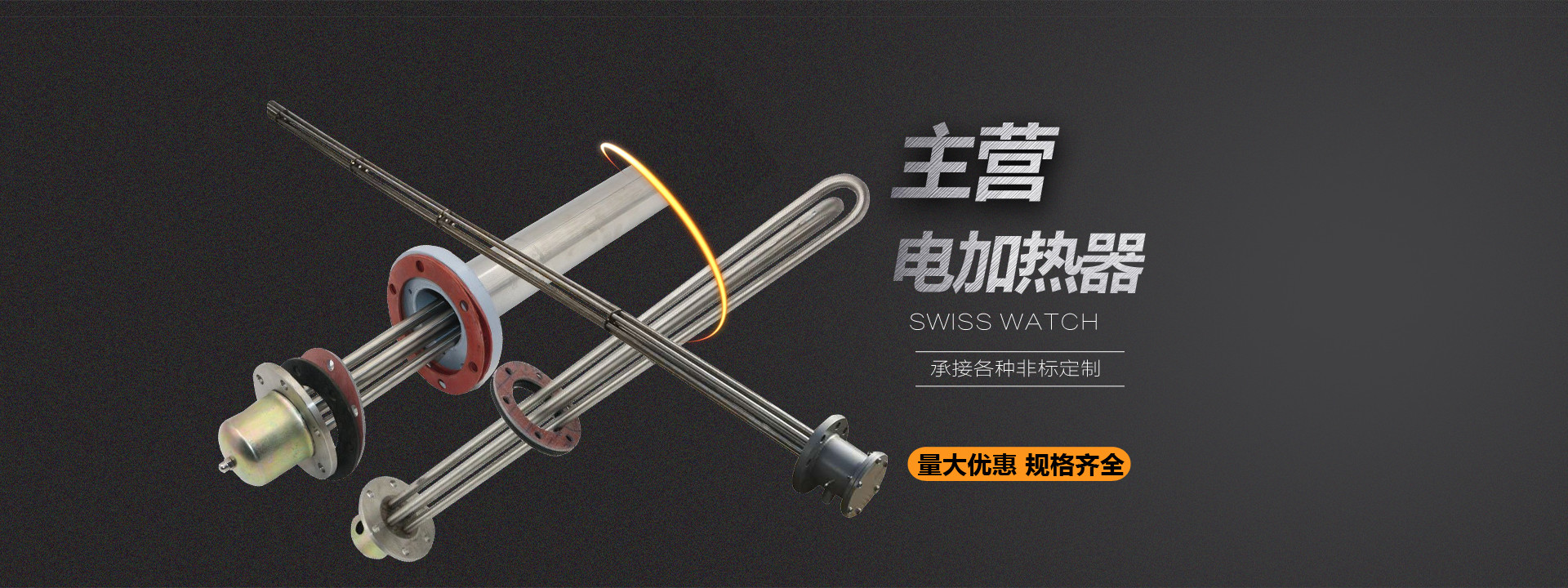
First confirm that the heating elements and power supply lines have no phase loss and that the contactor contacts are not burned. Then check whether the set value of the temperature controller matches the actual working conditions. If the electrical side is normal, shut down and release pressure before inspecting the surface of the heating element assembly. When calcium and magnesium ions in the medium or oil oxidation products form a scale layer on the sheath surface, the heat transfer thermal resistance increases, manifesting as normal power but insufficient temperature rise. Use soft tools and neutral cleaning agents during cleaning to avoid scratching the stainless steel sheath. The FBR-55 stainless steel explosion-proof heater is suitable for single-phase 220V or three-phase 380V power supplies. The surface heating power is controlled within the range of 1.5W/cm² to 2.5W/cm² according to the power stage, the working pressure is 0.6MPa, and the media are fluids with good heat dissipation effects such as mineral oil and water.
When the insulation resistance decreases, first disconnect the power supply, open the wiring cavity to check for accumulated water, dust, or metal debris, clean with dry compressed air, and re-measure. If the cable outer sheath has indentations or damage, the cable should be replaced. If the element assembly is damp, it can be restored by low-temperature baking in a power-off state. If the insulation still does not meet the standard after baking, the heating elements need to be replaced. Replacement steps: cut off the power supply and attach a lockout tag, relieve the pressure on the heater, remove the heating element assembly, loosen the nuts and pull out the old elements, install the new elements in the reverse order and tighten them, and pay attention to cleaning the sealing surface and correct wiring phase sequence. After replacement, measure the insulation resistance and leakage current. The leakage current should be less than 0.5mA, and the insulation resistance should not be lower than 1MΩ. Confirm that everything is correct before energizing.
The operating ambient temperature is -20℃ to +60℃, and the relative humidity is less than 95%. Regularly clean the wiring cavity and the surface of the element assembly, and check the flange seal and grounding connection. The equipment has a compact structure and complete accessories, a short installation period, and is convenient for operation and maintenance. It is suitable for heating and heat tracing of oil and water media in explosion-proof areas. Keeping the wiring cavity dry during shutdown can reduce the incidence of insulation faults.

