
Medium name, concentration, and operating temperature are the basic information for confirming sheath material. For example, media containing chloride ions typically require a 316L stainless steel sheath, while weakly corrosive media may use 304 stainless steel. Providing these parameters helps match the appropriate sheath material and avoids early failure due to material incompatibility.
The terminal enclosure of this series adopts a flameproof structure, compliant with Exd IIB T4 explosion-proof standards, and can withstand internal explosions without igniting the external environment. It is suitable for Zone 1 and Zone 2 hazardous locations. During selection, verify the category and temperature class of flammable gases or vapors present on site to ensure the equipment's explosion-proof marking is not lower than the area requirements.
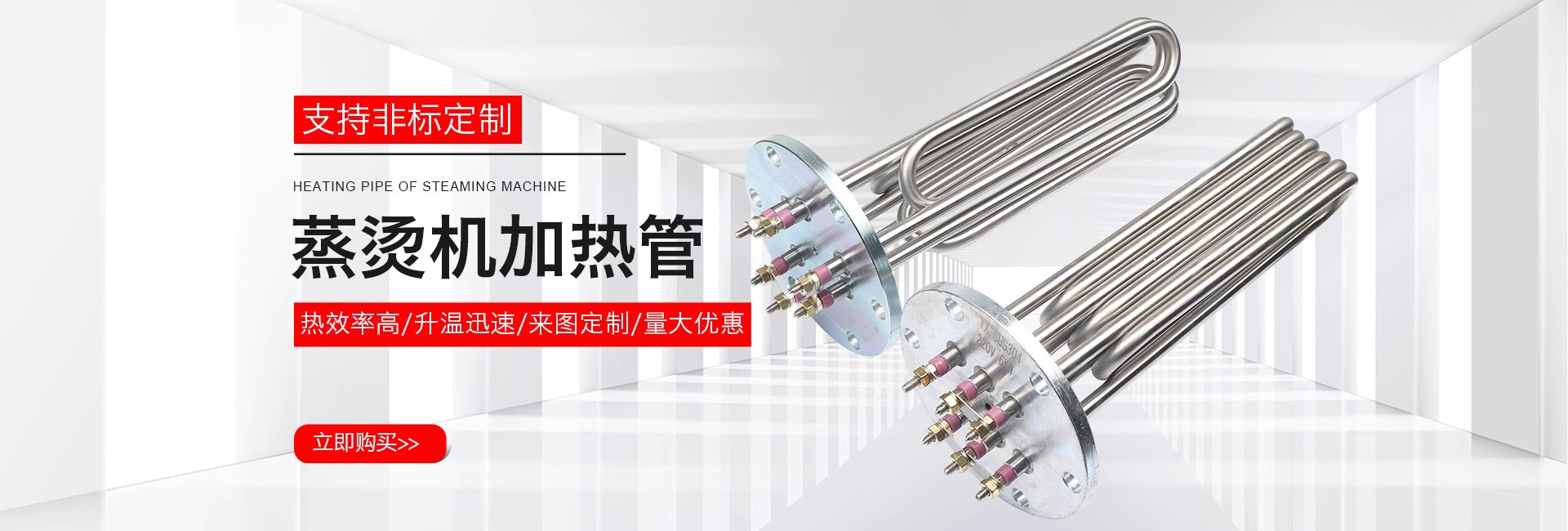
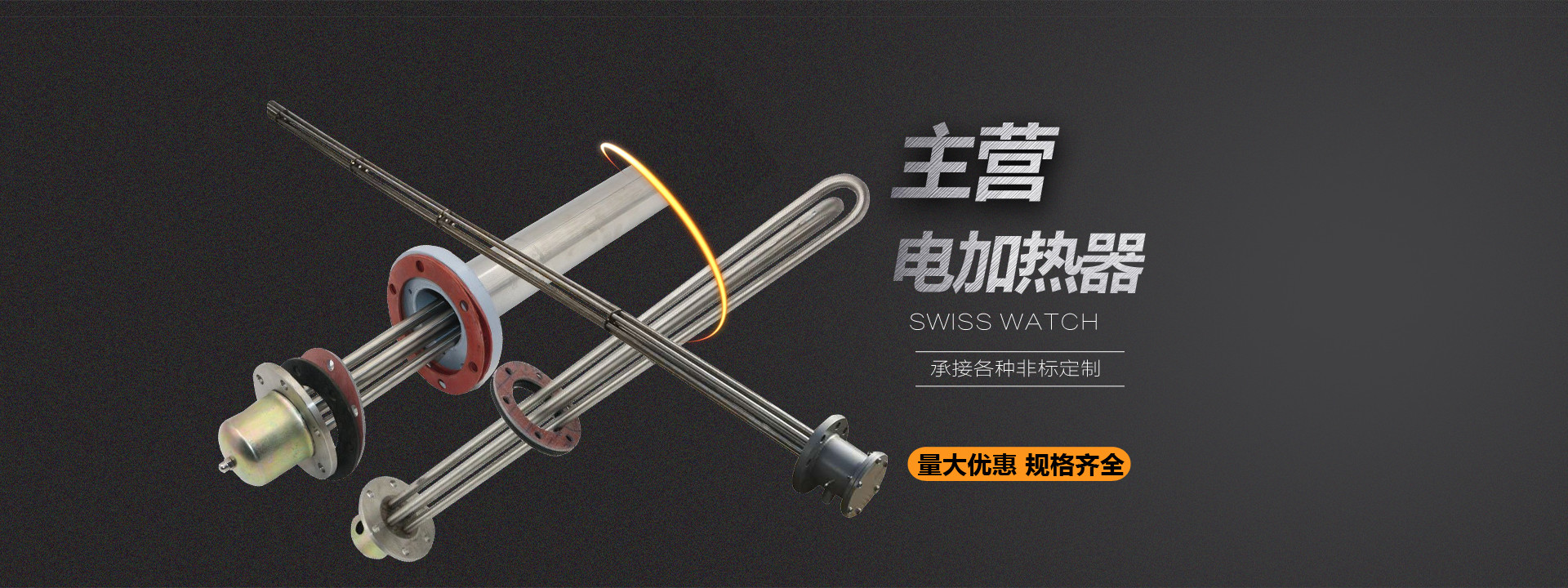
Common structures of stainless steel explosion-proof heaters include flanged and tubular insertion types. Selection should be based on vessel opening size, insertion depth, and medium flow conditions. For duct-type applications, ensure sufficient support for the heating elements to reduce airflow vibration. Space must be reserved around the terminal box for operation and maintenance.
Calculate the required thermal power based on medium flow rate, initial temperature, and target temperature rise, then verify the surface load against the expanded area of the heating elements. Excessive surface load affects sheath life, while too low a load may prevent effective heat transfer. It is recommended to refer to the load range provided by the manufacturer and allow margin based on actual operating conditions.
It is recommended to install an over-temperature protection sensor at the heater outlet and interlock it with the control system. For duct-type heating, also monitor air pressure or flow signals to prevent dry firing without airflow. A temperature switch or thermal resistance can be integrated into the terminal box for remote monitoring.

