
When inspecting or scheduling maintenance for flanged electric heating tubes, procurement personnel often encounter two types of issues: leakage at the flange joint surface and elevated temperature in the terminal box. Sequential troubleshooting can shorten downtime: first confirm whether the flange bolt preload is uniform, then check whether the sealing gasket is compatible with the medium, and finally measure the contact resistance between the terminal and the cable. Ignoring any step may cause the electric heating tube to fail prematurely during operation.
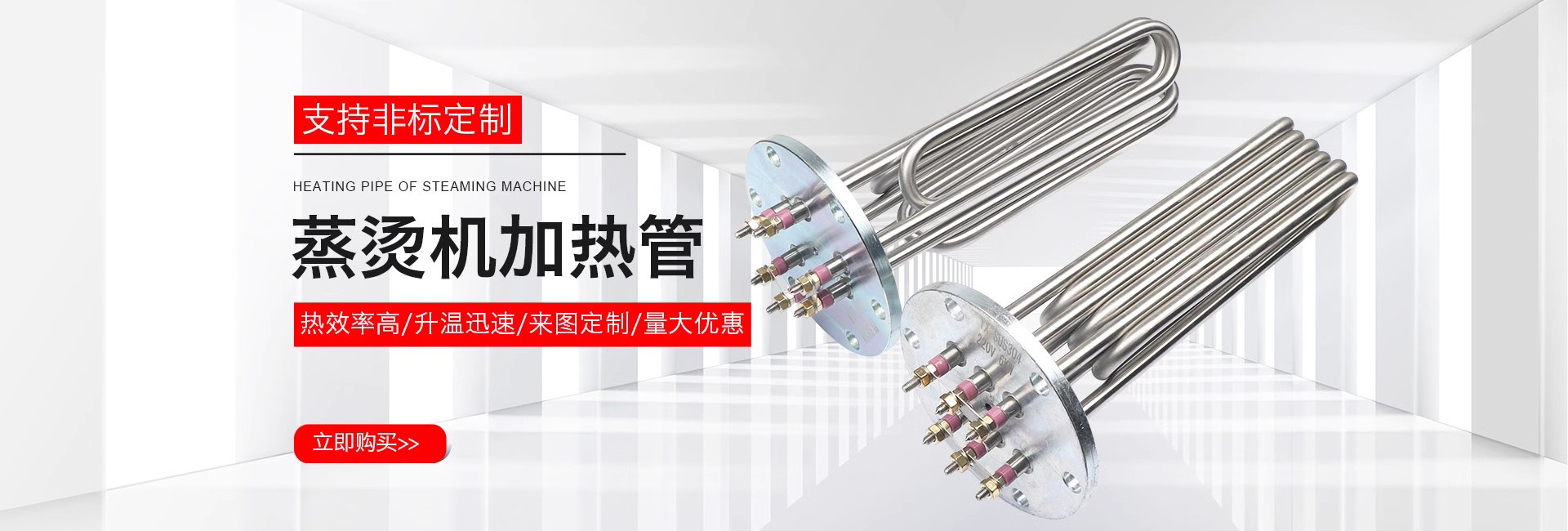
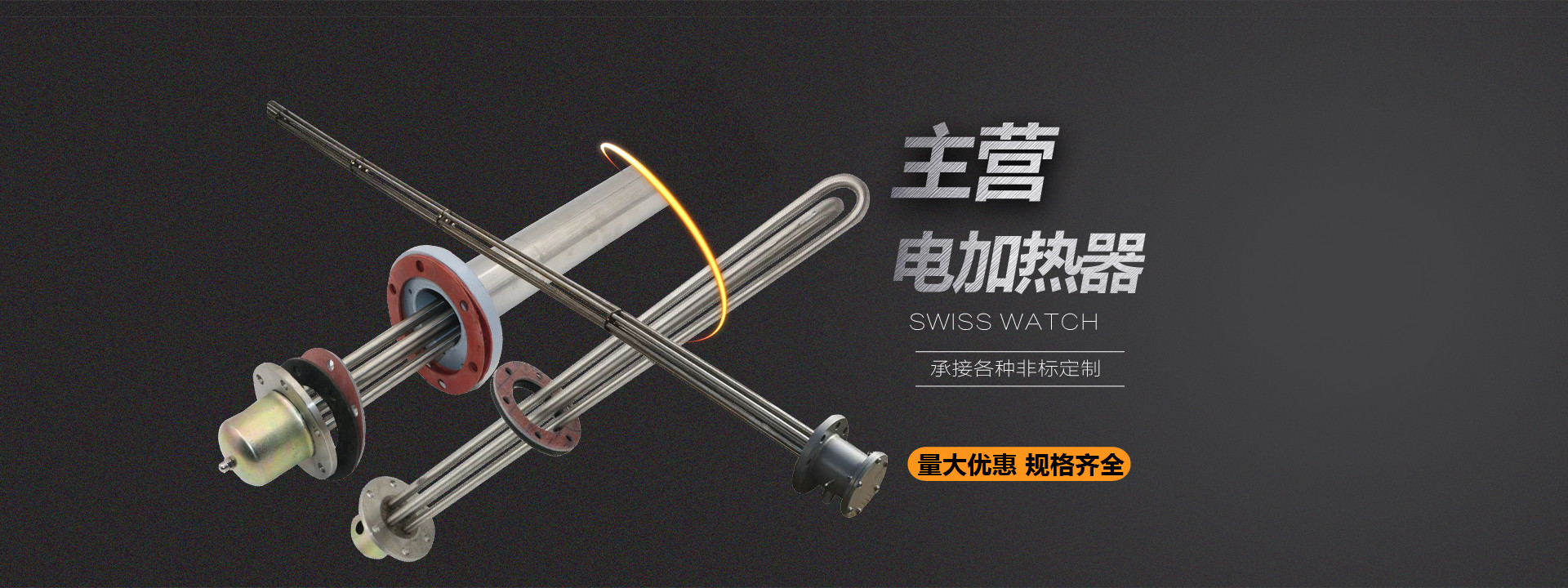
The flange specification, tube diameter, and developed length of the flanged electric heating tube should match the opening of the heated medium container. Before installation, verify the rated voltage, power, and surface load to avoid overload operation. The immersion depth of the tube body in the medium should cover the heating section to prevent dry burning. The sealing structure between the junction box and the flange should be intact. For applications with explosion-proof requirements, products with the corresponding protection rating must be selected. Common voltages include 220V and 380V, and power and flange specifications can be customized according to on-site conditions.
Regularly measure insulation resistance and cold resistance, and record the trend of changes. If the insulation resistance drops significantly, check whether the tube body is damp or scaled; when scaling is thick, heat transfer efficiency decreases and the tube surface temperature rises, requiring cleaning. When replacing, record the model, flange specification, and power to keep them consistent with the original equipment, avoiding rework caused by mismatched interfaces.
This type of electric heating tube is suitable for liquid heating applications such as oil tanks, water tanks, and reaction vessels. The tube material and surface treatment method can be selected according to the characteristics of the medium.