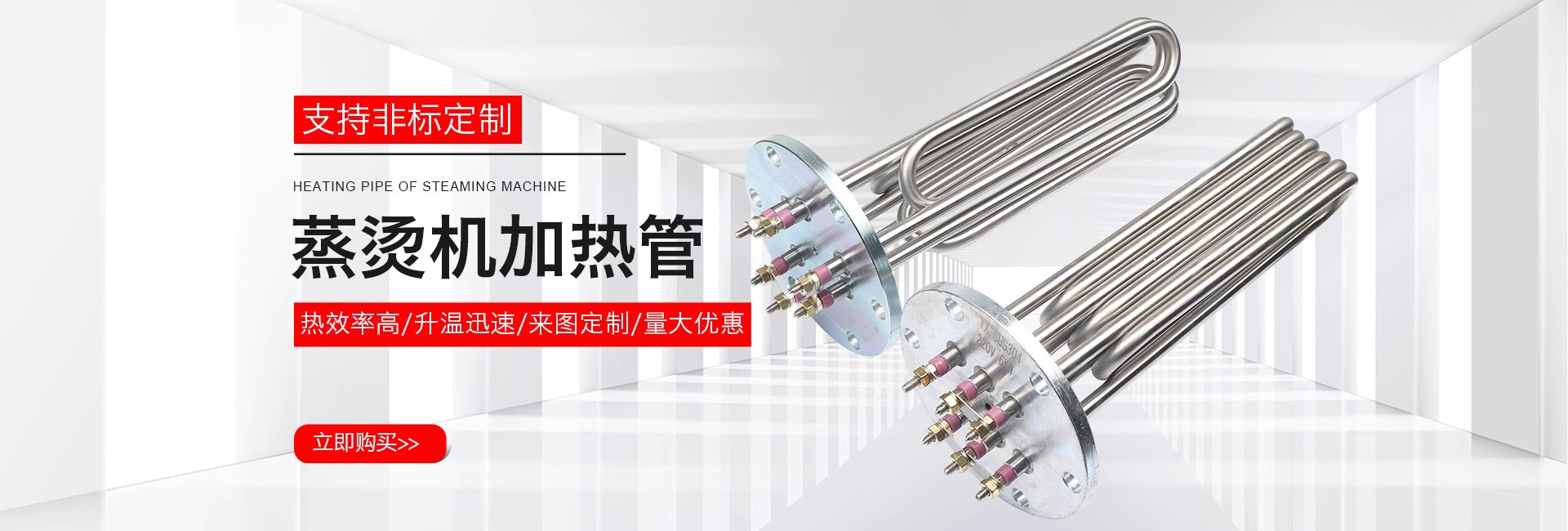
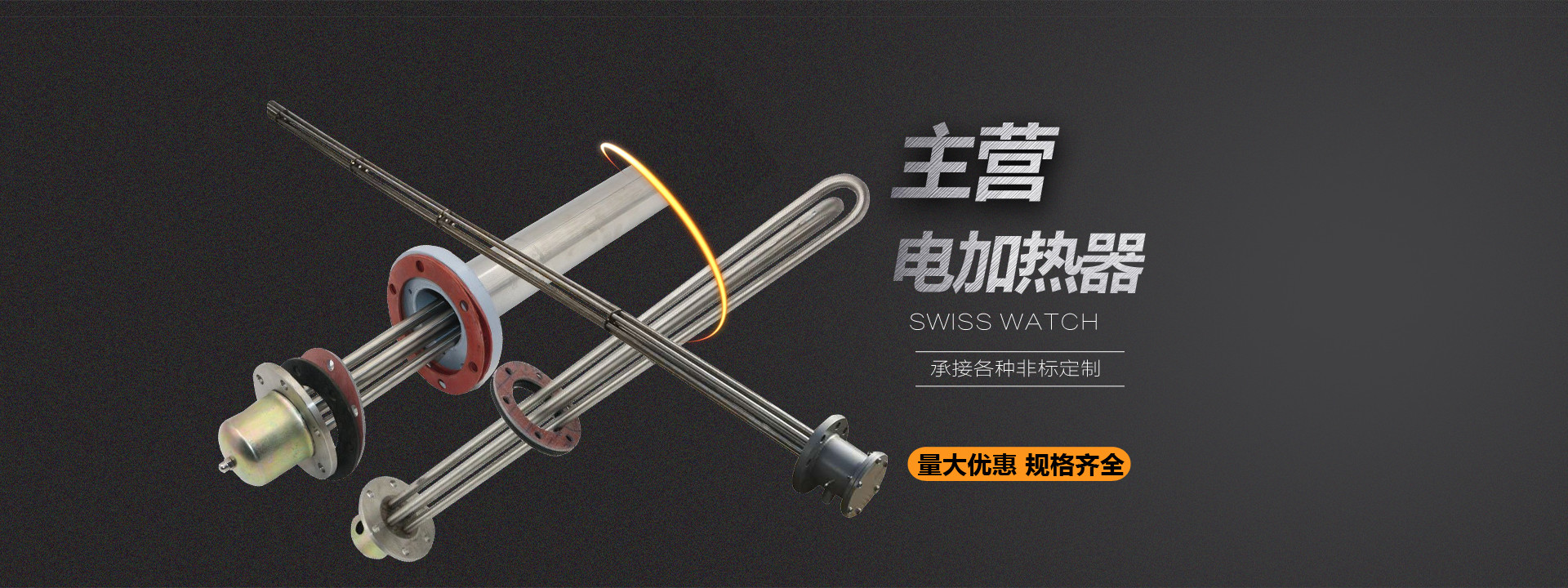

During design and selection, the maintenance convenience of flange-type electric heating tubes is often overlooked, and it is not until maintenance that difficulties in disassembly or water accumulation in the wiring cavity are discovered. The following Q&A focuses on installation, operation, and maintenance.
Sufficient bolt removal and installation space should be reserved on the flange mounting surface. It is recommended to reserve a distance of no less than 1.2 times the tube length along the axis of the heating tube to facilitate overall extraction and replacement. The junction box should be positioned away from high-temperature pipes and valve operation areas, and ensure the box cover can be fully opened. For vertically installed heating tubes, support should be provided below the flange to prevent the tube's own weight from acting on the flange weld seam over the long term.
Surface load (W/cm²) directly determines the tube wall temperature and oxidation rate. When the medium is still air, it is recommended to control the surface load at 2~3 W/cm²; for flowing water conditions, it can be appropriately increased, but flow velocity and scaling tendency need to be calculated. The design maximum operating temperature can reach 650°C, and actual selection should leave a margin of more than 20% to avoid accelerated aging of the resistance wire caused by long-term full-load operation.
Focus on checking the flange sealing surface for leakage, the wiring terminals for looseness or oxidation discoloration, and the tube surface for carbon deposits or scaling. For applications heating viscous media, it is recommended to check the surface coking condition quarterly, as an excessively thick scale layer will raise the tube wall temperature and create a vicious cycle.
For long-term shutdown, cut off the power supply and keep the junction box dry; in humid environments, desiccant can be placed. When storing spare parts, avoid deformation of the tube body under pressure, and apply anti-rust grease to the flange sealing surface. When replacing, verify the voltage, power, and mounting flange specifications; it is not recommended to mix different batches in the same control circuit.

