
On-site maintenance records show that some heating rods fail in high-humidity, corrosive gas environments due to insufficient corrosion resistance of the shell material or imperfect explosion-proof structure. When evaluating solutions, procurement personnel need to combine engineering parameters and compare with similar products to make an appropriate choice.
Ordinary stainless steel heating rods of the same power mostly use 304 material for the shell, with a protection rating typically IP54, and are not suitable for explosive gas environments. The FBR-9 stainless steel explosion-proof heating rod uses a 316L stainless steel shell, with a protection rating that can reach IP65 or IP66 as required. The terminal chamber adopts an explosion-proof structure and is suitable for Zone 1 and Zone 2 explosive gas environments. The designed power range is 1kW to 2000kW, the operating voltage is 220V or 380V, the operating temperature is 20 to 1050°C, the operating pressure is 0.6 to 20MPa, and the temperature control accuracy is ±1°C. Compared with ordinary products, its corrosion resistance and safety level are significantly improved.
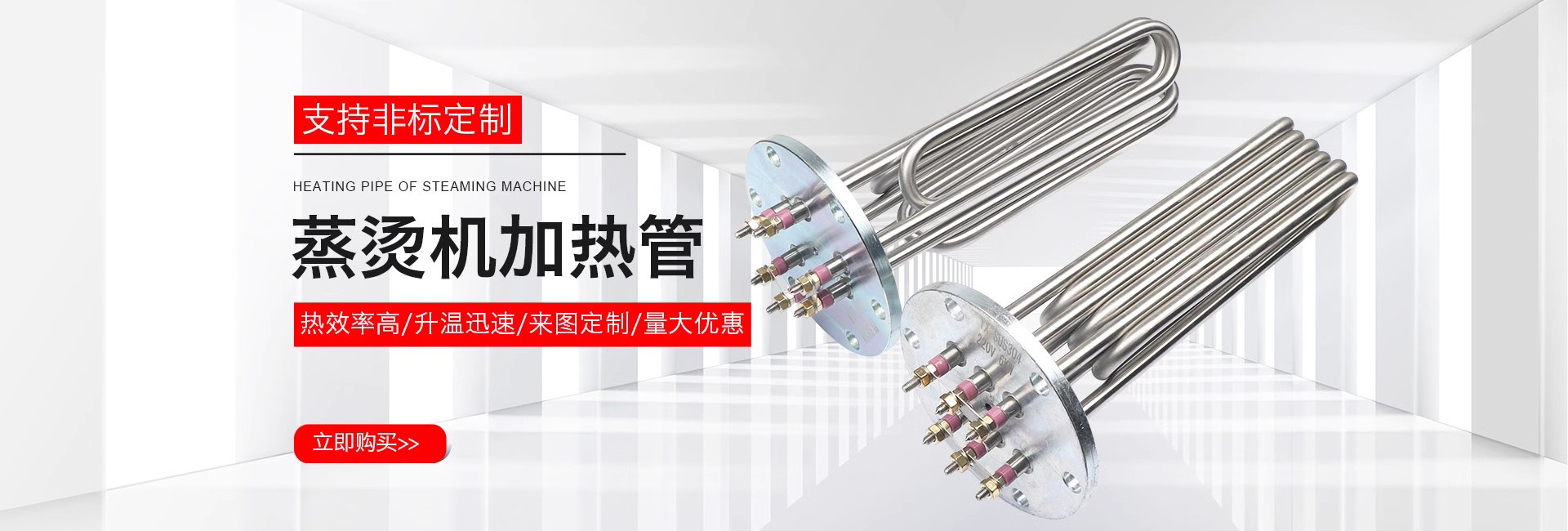
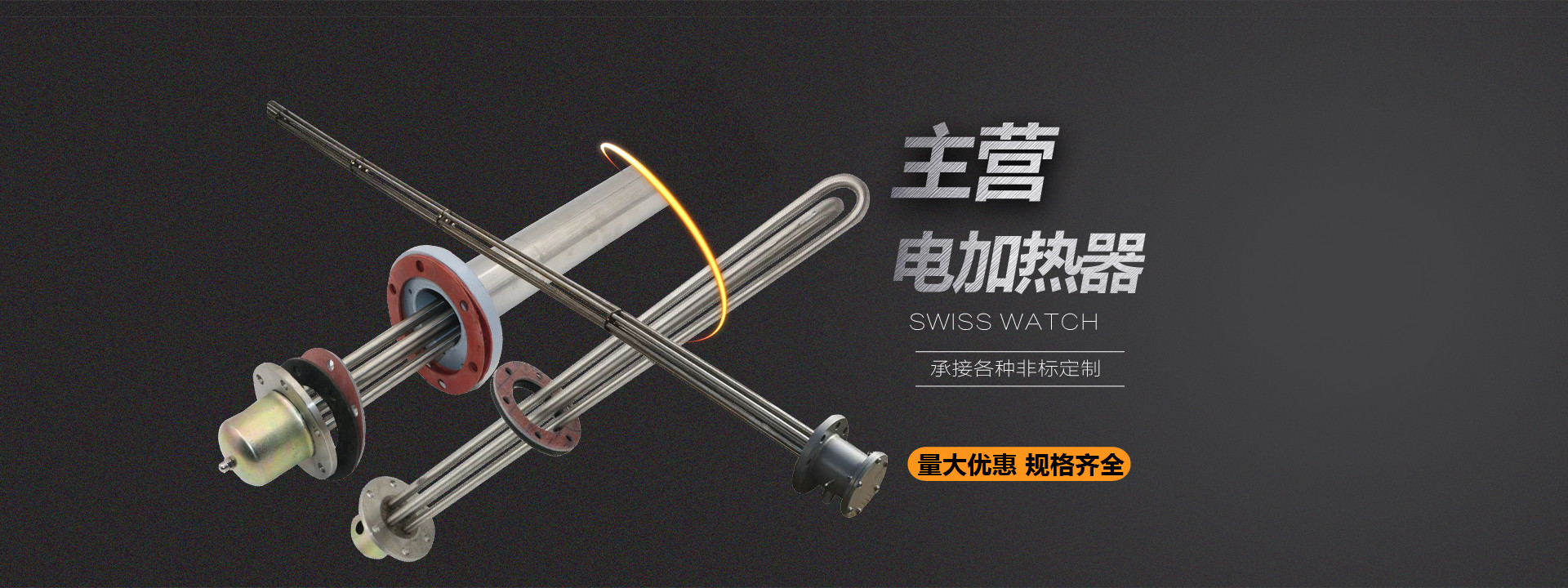
This heating rod uses a seamless stainless steel tube as the sheath, with the internal heating wire and magnesium oxide powder tightly filled, and through the tube shrinking process the heat conduction path is made dense. The surface load is designed lower than conventional values, which helps extend service life. The explosion-proof junction box and the heating body are connected by threads or flanges, and the sealing surface is precision-machined to prevent moisture intrusion. The heating rods can be arranged in multiple combinations according to pipe diameter and medium flow direction to achieve zoned control and avoid local overheating.
In pipeline heating, storage tank tracing, and reactor temperature control in industries such as petroleum, chemicals, and pharmaceuticals, this product can be used to heat oil products, solvents, water, and weakly corrosive liquids. During selection, procurement personnel need to clarify the medium characteristics, maximum operating temperature, system pressure, and explosion-proof area classification in order to determine the sheath material, power density, and protection rating. For pipelines with large flow variations, it is recommended to configure temperature sensors and thyristor power regulators to achieve closed-loop temperature control. Compared with far-infrared or electromagnetic heating solutions, resistance heating has a simpler structure and lower maintenance costs under high-temperature and high-pressure conditions.