
In explosive gas atmospheres or combustible dust locations, design and selection engineers often encounter the following questions: Does the surface temperature of the heating element exceed the ignition temperature of the medium? Can the insulation resistance and dielectric strength meet long-term operation requirements? How should the installation method be adapted to existing tank or pipeline interfaces? The answers to these questions directly affect system safety and heating efficiency. Taking explosion-proof electric heaters as an example, their explosion-proof marking is typically Ex d IIC T4, and they must be designed and manufactured strictly in accordance with the GB 3836 series standards. When the equipment is used in Zone 1 and Zone 2 hazardous areas, it must be confirmed that the enclosure protection rating is not lower than IP54, and a sealed structure is used between the terminal compartment and the heating compartment. If the matching of the temperature class and the auto-ignition temperature of the medium is ignored during selection, irreversible safety accidents may occur.
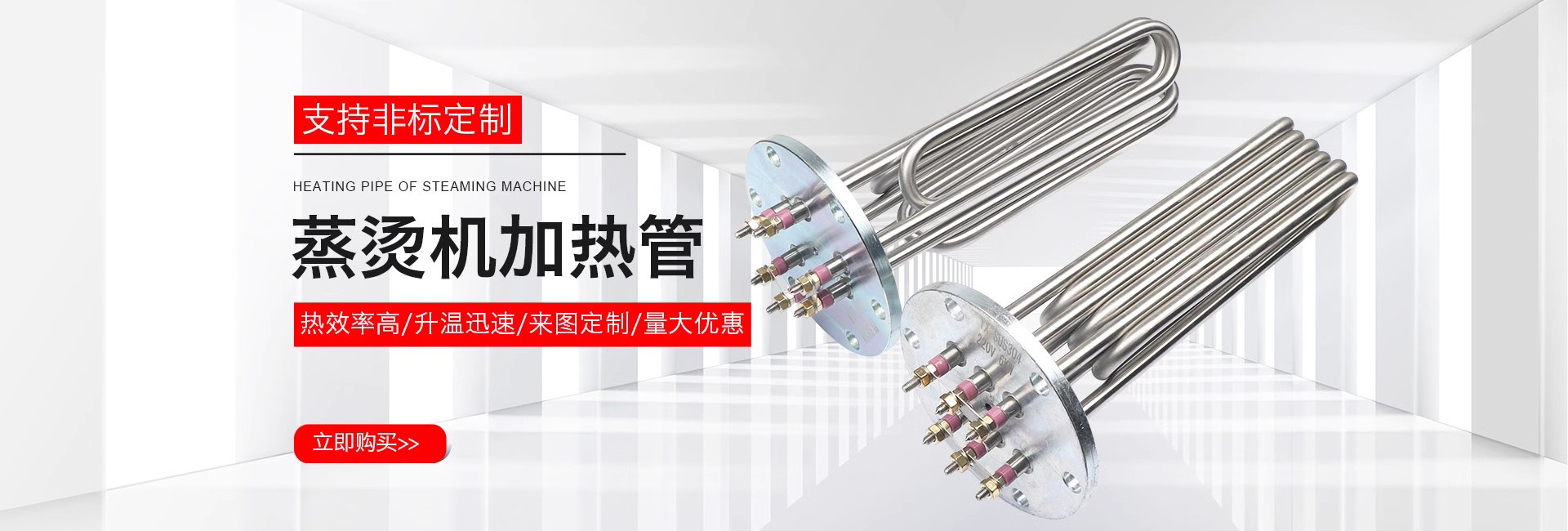
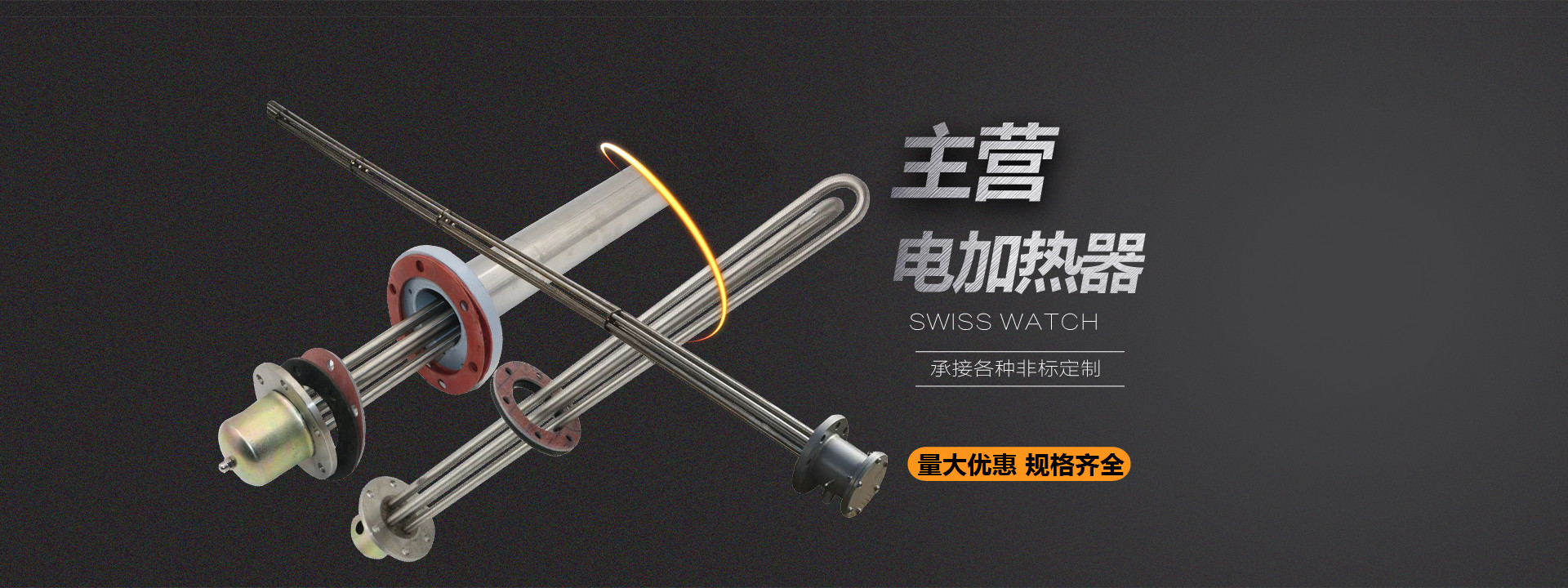
The FBR-8 stainless steel explosion-proof heating rod uses a 304 or 316L stainless steel seamless tube as the sheath, filled internally with high-purity magnesium oxide powder, and compressed to ensure insulation performance. The cold insulation resistance is not less than 50 MΩ, and the dielectric strength passes a 2000V/1min withstand voltage test. The heating wire is made of nickel-chromium alloy, and the design surface load is controlled within a reasonable range to avoid local overheating. The product is equipped with an explosion-proof junction box, with an explosion-proof marking of Ex d IIC T4, suitable for explosive gas atmospheres with an ignition temperature higher than 135°C. In terms of temperature control, a K-type or Pt100 temperature sensor can be integrated, combined with an explosion-proof temperature controller to achieve a temperature control accuracy of ±1°C. Installation forms offer multiple options including threaded, flange, and socket types, adapting to different vessels and pipelines.
This heating rod is commonly used for tank tracing, reactor heating, and pipeline freeze protection in the petroleum, chemical, and pharmaceutical industries. For example, in lubricating oil storage tanks, it maintains the medium temperature below 110°C to prevent increased viscosity from affecting transportation. During selection, the following must be provided: voltage (220V or 380V), power (1kW to 30kW), heating medium, maximum operating temperature, installation interface size, and explosion-proof area classification. Design and selection engineers should check the total length of the heating rod against the vessel depth to ensure that the heating section is fully immersed in the medium and avoid dry burning. For corrosive media, it is recommended to use 316L stainless steel or add a corrosion-resistant coating.