
When purchasing stainless steel explosion-proof heating rods, common issues include matching power to heat dissipation, confirming explosion-proof ratings, and verifying installation dimensions. The following points serve as a reference for selection.
Higher power is not always better. Excessive surface load accelerates the aging of magnesium oxide powder and shortens element life. It is recommended to calculate the surface load based on the heating medium (air, oil, water, or chemical media) and flow rate; generally, lower values are used for static air, while flowing liquids may allow appropriately higher values.
The explosive gas group and temperature class of the usage site must be clarified, and the explosion-proof structure of the heating rod should correspond to the on-site area classification. During procurement, suppliers should be required to provide the explosion-proof certificate number and applicable standards, avoiding the substitution of ordinary protection for explosion-proof construction.
The stainless steel grade must correspond to the corrosiveness of the medium. 304 can be selected for heating water; 316L is recommended for mildly corrosive chemical media; for high-temperature or chlorine-containing environments, evaluate whether more corrosion-resistant materials are needed. Tube wall thickness affects pressure resistance and service life, and requirements can be specified according to operating conditions.
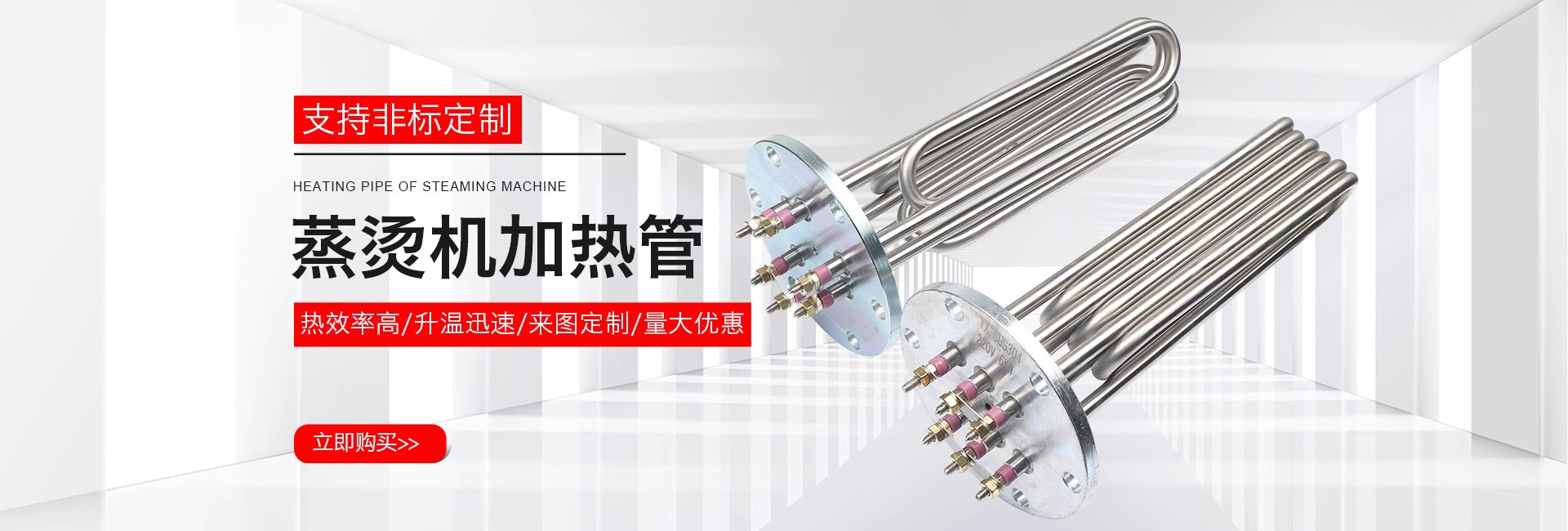
Confirm the mounting hole diameter, insertion depth, and thread specifications to avoid inability to assemble upon delivery. Wiring methods are divided into single-end and double-end leads, which must match the on-site wiring space. Custom voltage, power, and dimensions are supported according to drawings.
Sealing performance of the closure can be verified through insulation resistance and withstand voltage tests after 24 hours in an environment of 60°C and 95% humidity; corresponding test records can be requested during procurement.
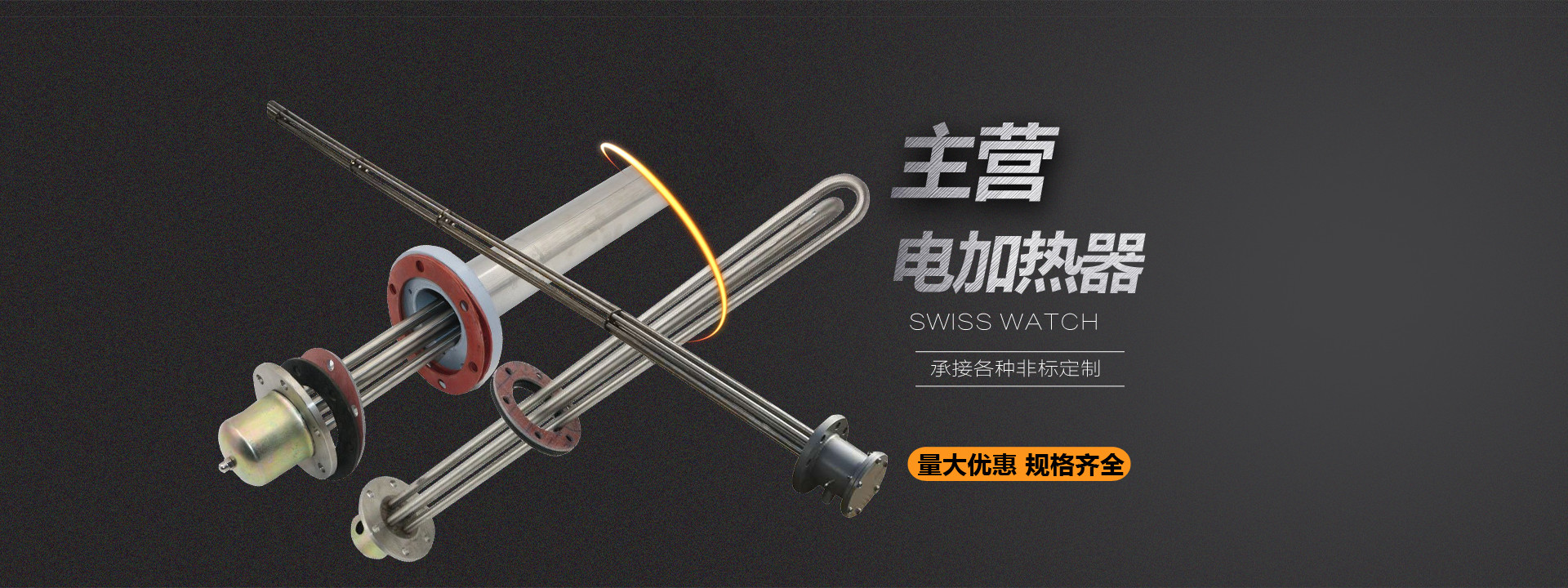
Suitable for heating air, oil, water, chemical media, hot-pressing molds, as well as melting salt, alkali, and low-melting-point alloys. When selecting a model, determine it by comprehensively considering medium characteristics, explosion-proof requirements, and installation conditions.

