
In on-site operation and maintenance, water ingress into the heating rod's terminal enclosure or abnormal surface temperature often stems from improper matching of protection rating and temperature control. The following explains the key indicators and usage points of this product from the perspective of engineering parameters.
The FBR-120 stainless steel explosion-proof heating rod has a rated voltage of 220V or 380V, and the allowable working voltage error shall not exceed 1.1 times the rated value. The enclosure must be effectively grounded, and the terminal enclosure adopts an explosion-proof structure with a protection rating of IP65. The insulation resistance shall not be less than 50MΩ in cold state, and the withstand voltage test shall be performed at 1500V/1min. High-temperature resistant cables should be used for on-site wiring, and the compression nuts should be tightened to ensure sealing.
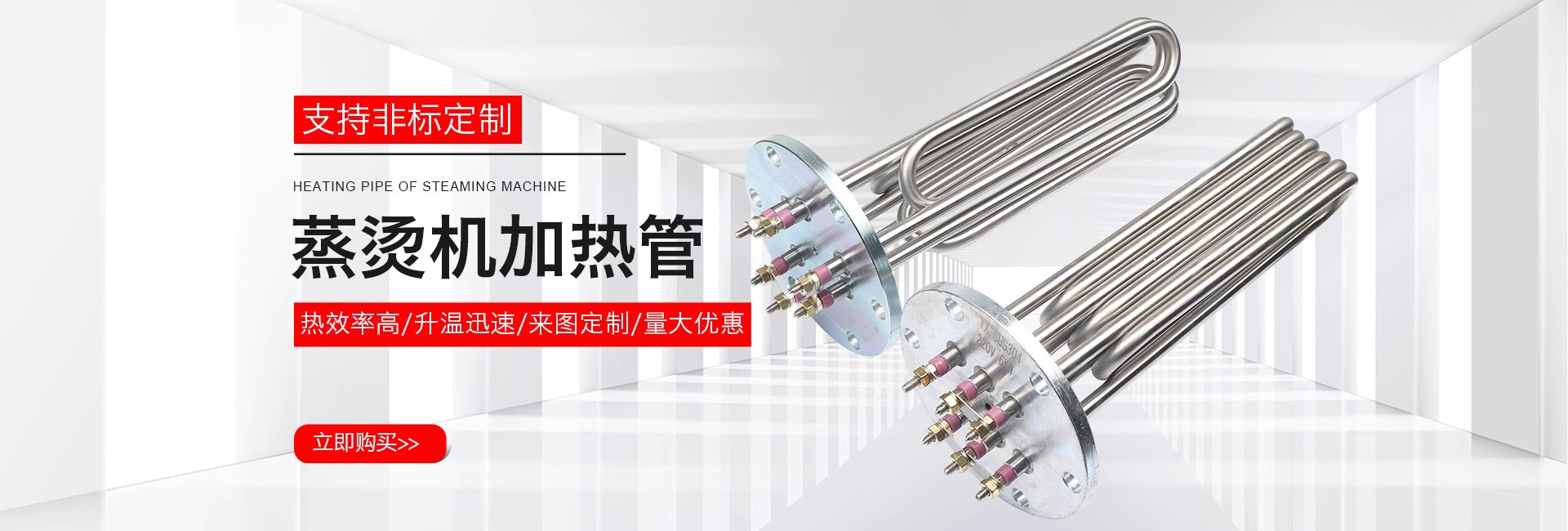
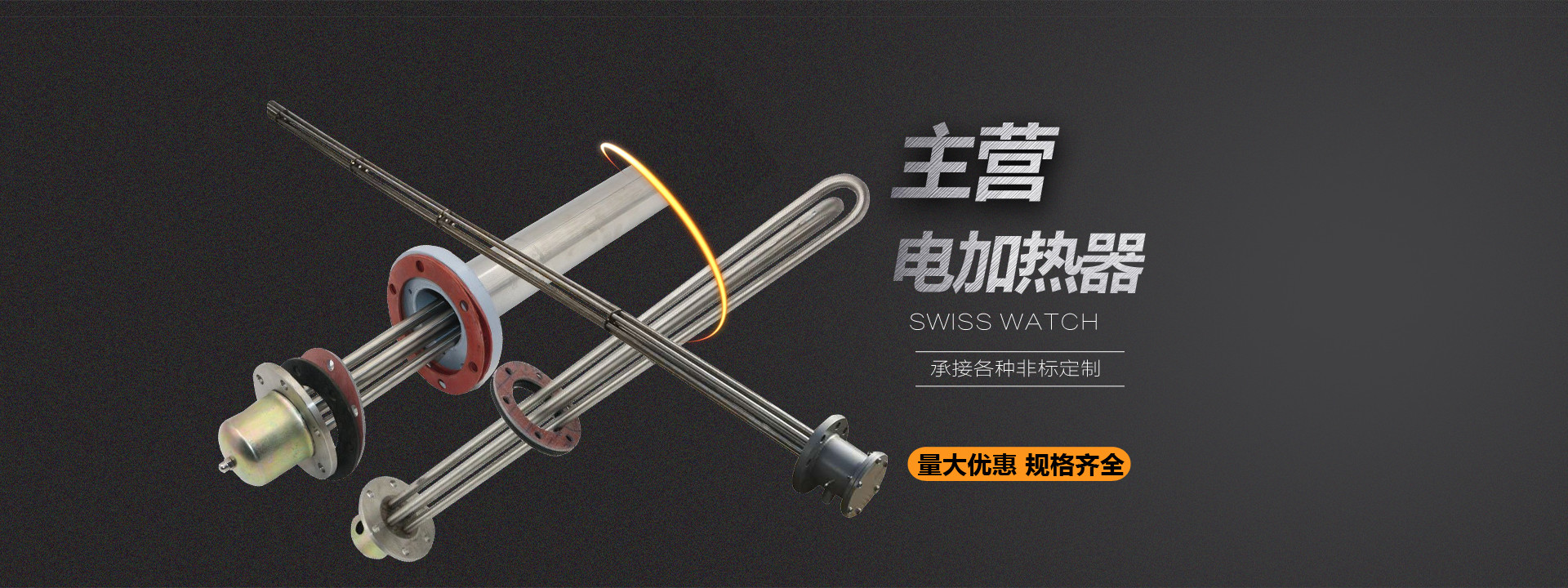
The heating tube body is made of 304 or 316L stainless steel seamless pipe, with a designed surface load of 2.5W/cm², suitable for heating static and flowing media. The pipe diameter can be selected as Φ12mm or Φ16mm, and the length is customized according to the installation space. The internal resistance wire is nickel-chromium alloy, filled with magnesium oxide powder and processed by tube shrinking to ensure insulation and thermal conductivity. Flange or threaded installation methods are optional, and the sealing surface gasket material should be matched according to the medium pressure.
The product can integrate K-type thermocouple or PT100 temperature sensing elements, and cooperate with an external temperature control box to achieve temperature regulation. It is recommended to set an over-temperature protection switch on the surface of the heating rod, with the actuation temperature set according to the characteristics of the medium, to avoid overheating of the tube body caused by dry burning. For viscous media, the fluidity should be confirmed before startup to prevent local heat accumulation.
During installation, the heating zone should be fully immersed in the medium to avoid exposure above the liquid level. Regularly check whether the wiring terminals are loose and whether the sealing rings are aged. After shutdown, if the medium is prone to crystallization, promptly clean the attachments on the tube surface. Use in bathrooms is prohibited. When replacing the heating rod, the power supply must be cut off and the operation specifications for explosion-proof areas must be confirmed.

