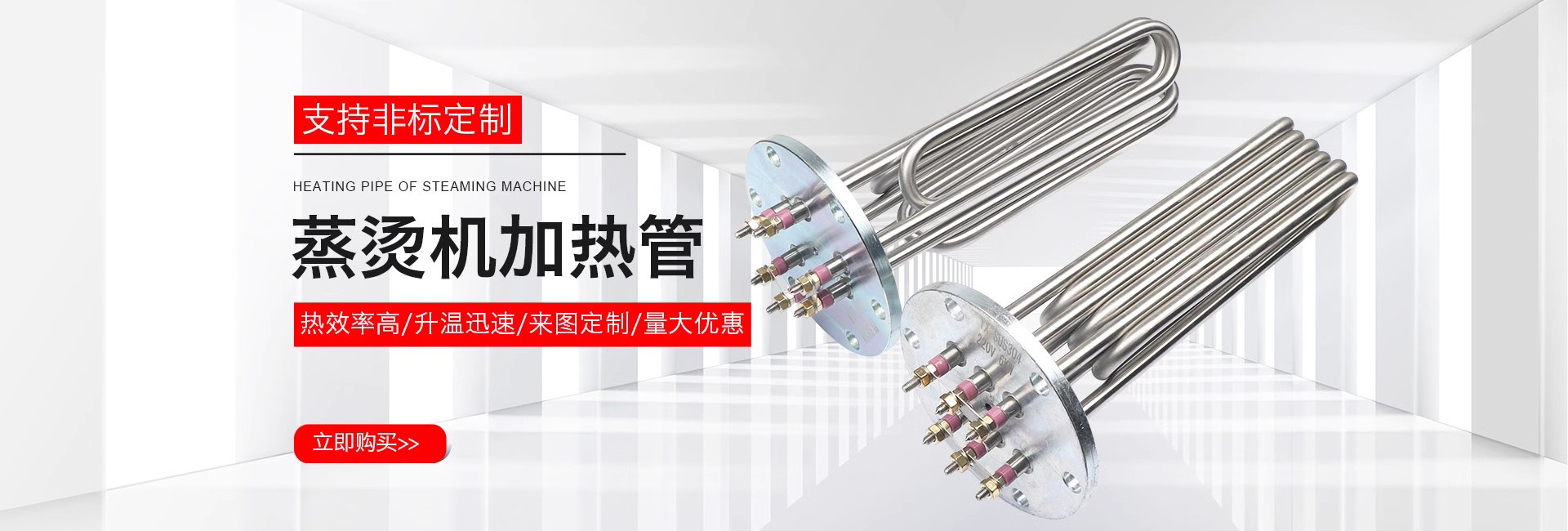
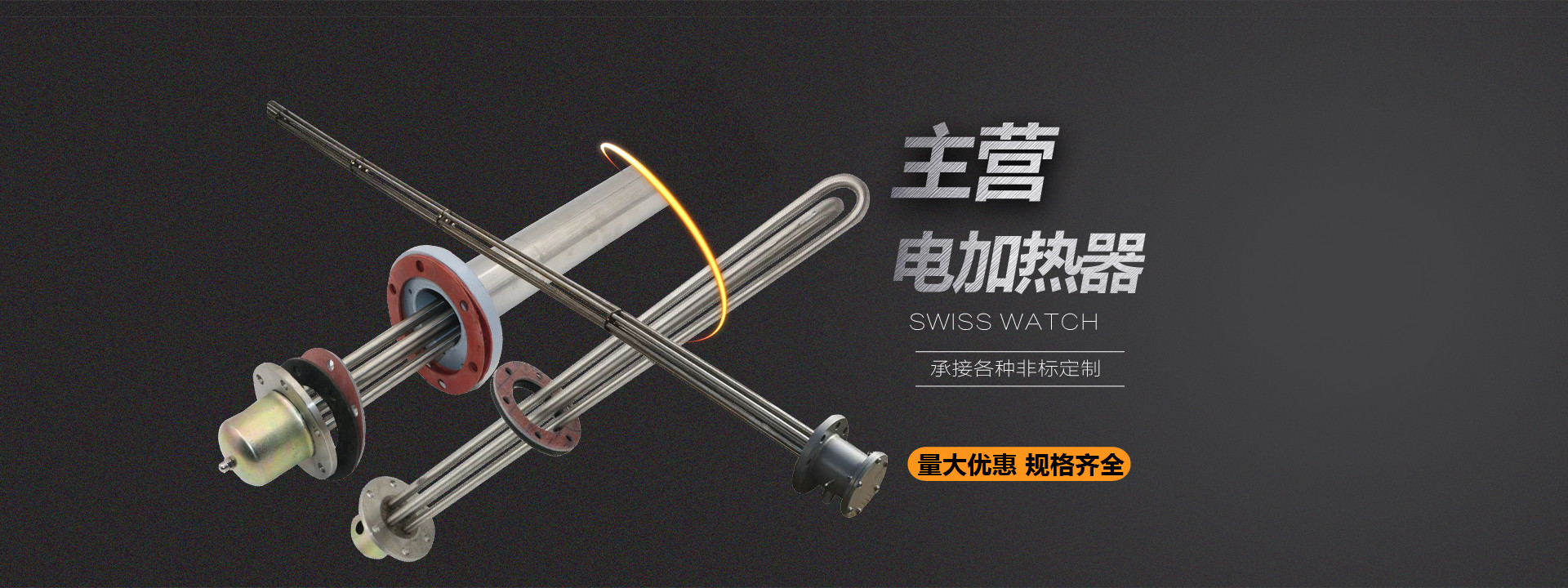

After long-term operation, scale deposits form on the sheath surface of sheathed electric heaters. How can they be cleaned without damaging the heating elements? This is a practical issue that design and selection personnel need to pay attention to.
During installation, ensure the heater is fully immersed in the medium to avoid dry burning. Wiring should be operated according to the rated voltage marked on the nameplate. For single-phase 220V or three-phase 380V, power supply matching must be confirmed. The sheath material should be selected based on the corrosiveness of the medium, with common options including carbon steel, stainless steel, etc. The grounding terminal must be reliably connected to ensure safety.
Regularly check the scale deposits on the sheath surface. Scale deposits will reduce thermal efficiency and cause excessively high surface temperatures. For cleaning, chemical cleaning or soft tools are recommended to avoid mechanical damage. If sheath deformation, cracks, or decreased insulation resistance are found, timely replacement is required. Before restarting after long-term shutdown, insulation resistance must be tested, and the cold-state value should not be lower than 50MΩ.
The power density is recommended not to exceed 1W/cm² (approximately 6.4516W/in²) to avoid excessive surface load. Parameters such as medium pressure and thermal conductivity need to be considered during design. Common conversions: 1W/(m·℃)=0.01J/(cm·s·℃)=0.578Btu/(ft·h·°F). Temperature unit conversions: 1°F=9/5℃+32, 1K=1℃+273.15. According to the heating medium and process requirements, reasonably select the sheath material, power, and voltage level.