
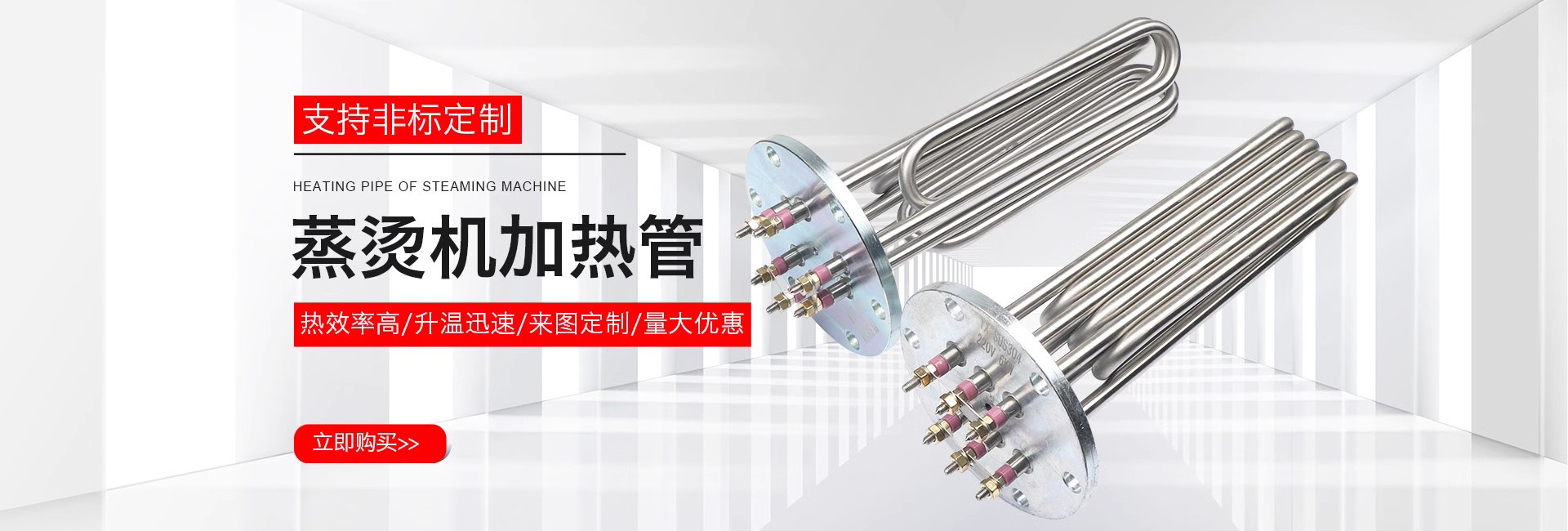
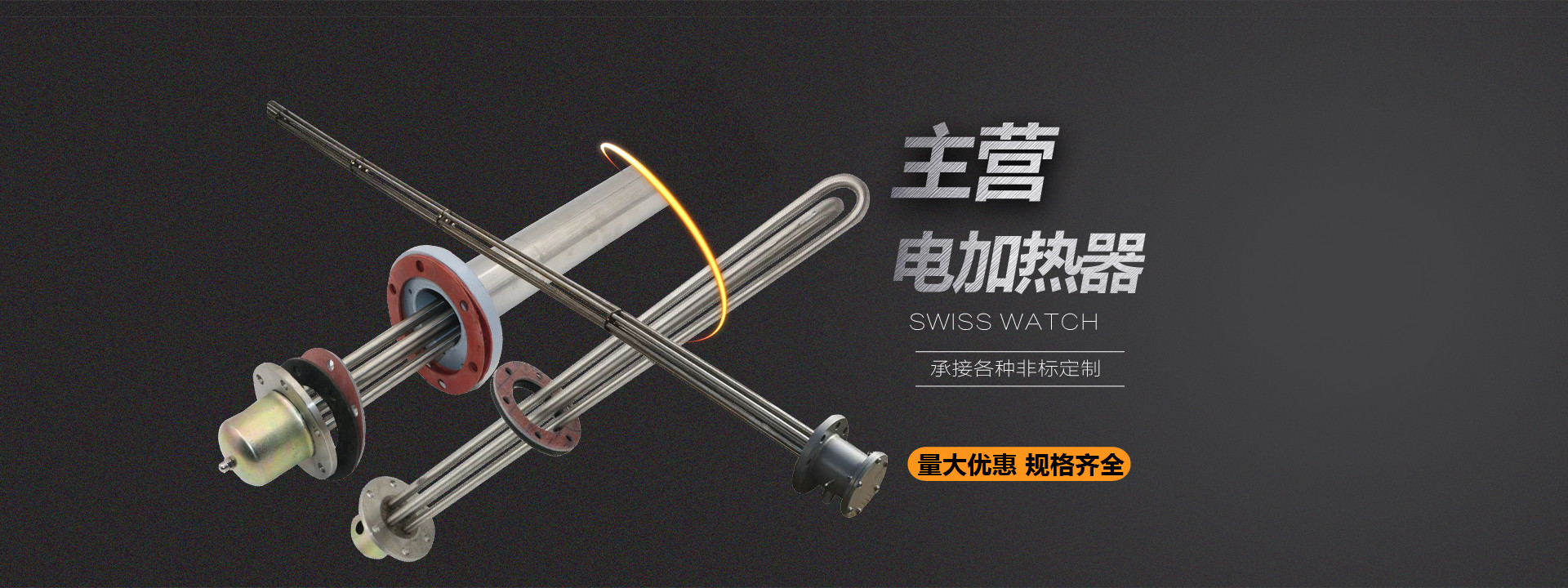
For on-site heat treatment of large towers, how to match the design temperature and installation dimensions for flanged electric heating tubes? The following outlines several key points from an engineering parameter perspective.
Point 1: Design temperature and voltage level. The design temperature of flanged electric heating tubes should be determined according to the heat treatment process curve. A common design temperature such as 130°C is suitable for low-temperature heat treatment or heat tracing scenarios. The rated voltage should be selected based on on-site power supply conditions. For melting solid oils such as asphalt and paraffin, it is advisable to first use a reduced voltage, and then increase to the rated voltage after the medium has melted, to avoid dry burning or local overheating.
Point 2: Flange specifications and installation dimensions. The flange outer diameter, bolt hole center distance, etc. of flanged electric heating tubes must match the tower opening. Taking the dimension of 81 mm as an example, it may refer to the flange outer diameter or the heating tube distribution circle diameter. During selection, the on-site flange standard must be checked to ensure that the sealing surface form and pressure rating are consistent.
Point 3: Power density and surface load. The surface load of heating tubes used for heat treatment should not be too high; otherwise, it may easily lead to a decline in the insulation performance of magnesium oxide powder. The required total power should be calculated according to the heat dissipation conditions of the tower and the thickness of the insulation layer, and then the power per tube should be allocated to avoid local overheating.
Point 4: Material and wiring method. The shell material of the heating tube must adapt to the heat treatment environment temperature. The wiring terminals should be kept away from high-temperature areas, and high-temperature-resistant wires should be used. When multiple tubes are arranged, attention should be paid to three-phase balance and the protection rating of the junction box.
In summary, during selection, it is recommended to first confirm the process temperature and voltage, then check the flange dimensions, and finally verify the surface load and material compatibility.
