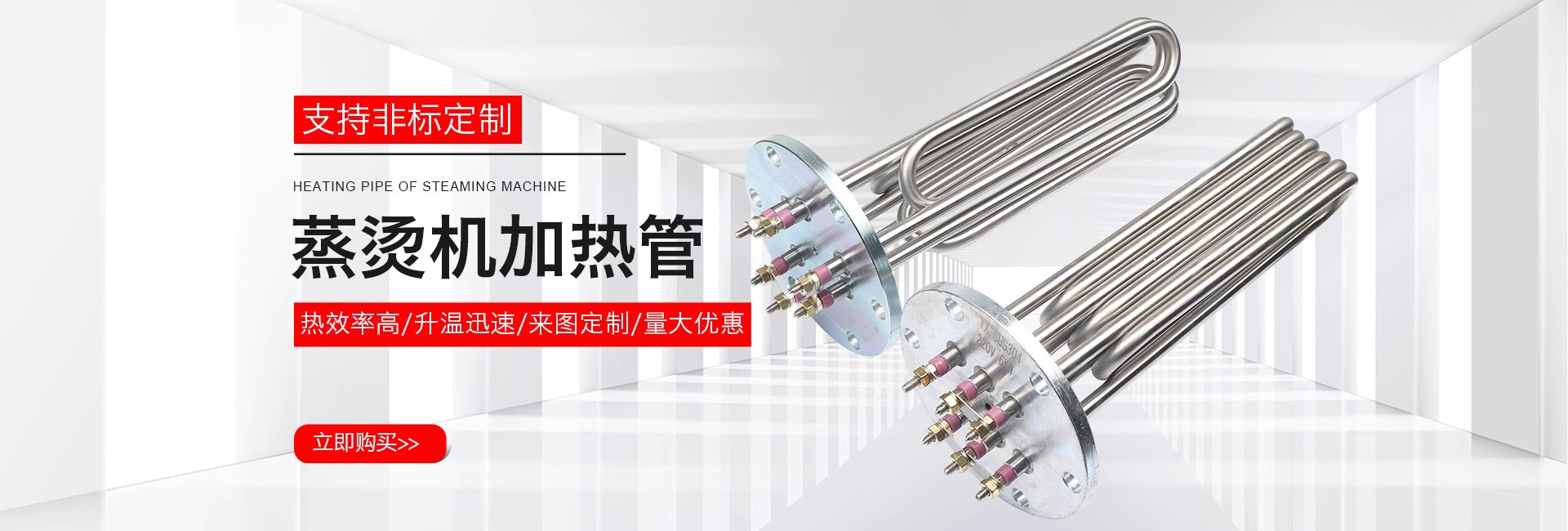
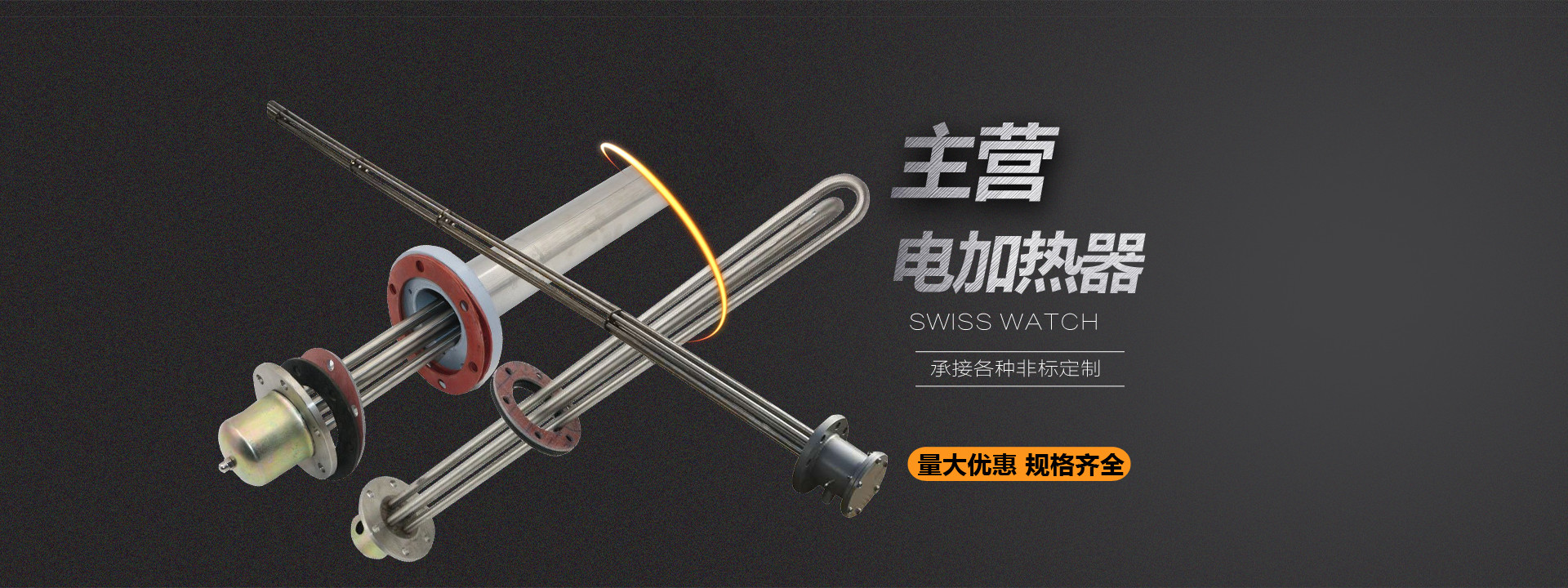

In on-site operation and maintenance, phenomena such as exchanger interfaces not matching the piping, insufficient sheath length causing temperature measurement points to be distorted, and medium corrosion leading to short-term pitting of the sheath often point to key parameters being omitted during the selection stage rather than to faults of the equipment itself. Starting from maintainability for operation and maintenance, the LHR-38 sheathed hot and cold exchanger provides reference options in structural form and connection method.
Compared with plate heat exchangers, the LHR-38 adopts a shell-and-tube structure with wider flow channels and is insensitive to particulate matter in the medium. Plate heat exchangers have higher heat exchange efficiency, but their narrow flow channels are easily blocked by impurities, resulting in short cleaning cycles, and they are suitable for clean medium conditions. When the on-site medium contains impurities or vibration is relatively high, the passability and vibration resistance of the shell-and-tube structure make operation and maintenance management more convenient.
For electric heating elements without a sheath structure, the resistance wire directly contacts the medium, imposing higher requirements on electrical insulation. The sheath design of the LHR-38 reduces the risk of the medium directly contacting the resistance wire, and the sealing form is welding or flange connection, making it suitable for heat exchange occasions with higher electrical safety requirements. During inspection, operation and maintenance personnel can judge the status through the sheath appearance and insulation resistance, reducing work steps involving direct contact with live parts.
Interface dimensions and piping flange standards need to be verified before ordering to avoid on-site connection failures. The sheath length should cover the effective area of the temperature measurement point; insufficient length will cause the measured value to deviate from the true medium temperature and affect operational judgment. When the medium is highly corrosive, the sheath material and thickness need to be confirmed according to actual working conditions to reduce the risk of short-term pitting. Implementing the above parameters item by item during the selection stage can reduce later modification costs.

