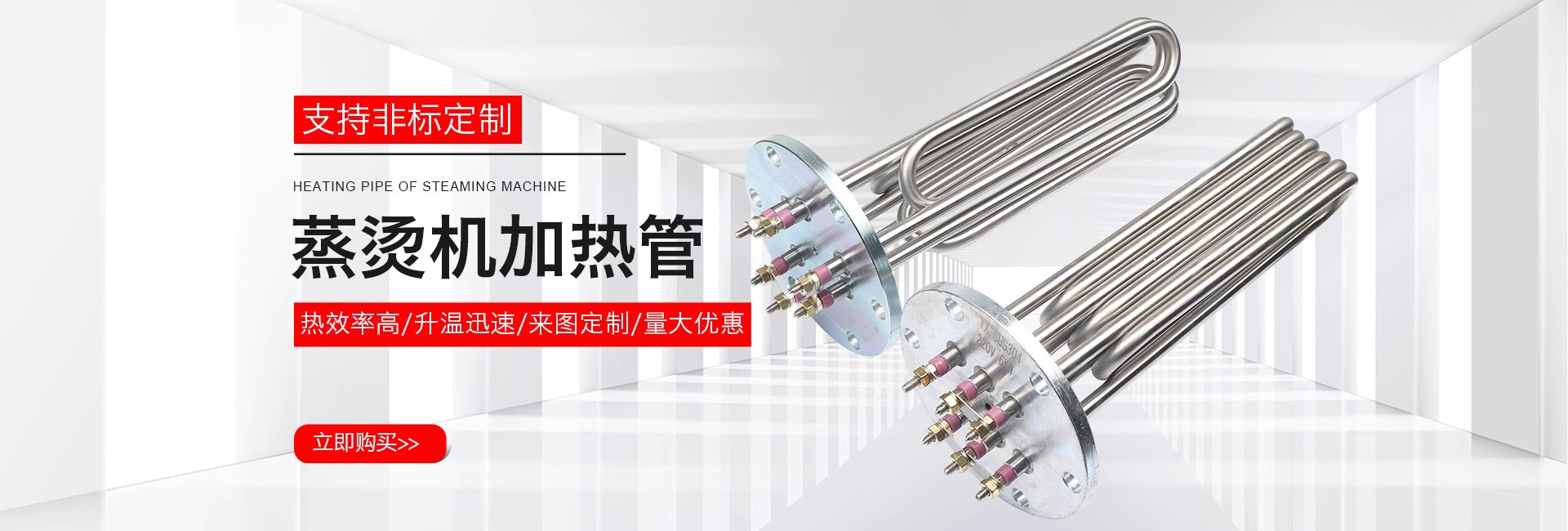
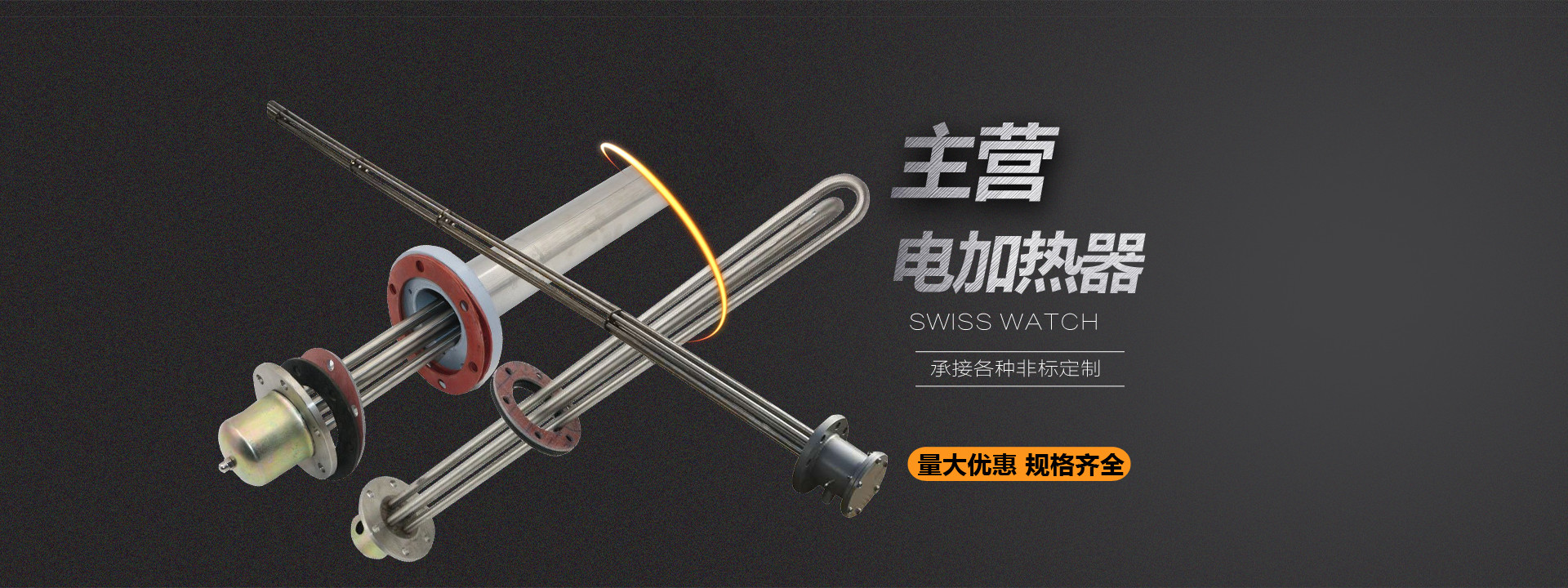

In on-site operation and maintenance, problems such as failure of temperature monitoring and non-compliance of explosion-proof ratings for industrial electric heaters are relatively common. This article, in a question-and-answer format, outlines the key points in selection and use.
The heater should achieve temperature monitoring and staged control through temperature sensors, heating elements, electromechanical switches, or electronic monitoring devices. It is recommended to calibrate the temperature control instrument once every six months, comparing the deviation between the actual air duct outlet temperature and the displayed value, and to adjust or replace the instrument promptly when the deviation exceeds the allowable range.
When used in explosive atmospheres, the corresponding explosion-proof marking must be selected according to the zone classification, commonly including ExdⅡBT4, ExdⅡBT6, ExdeⅡCT6, etc. During selection, the on-site gas group and temperature class should be confirmed to ensure that the heater's explosion-proof rating matches.
Users should provide product drawings or samples; if no drawings are available, parameters such as specifications, model, voltage, and power must be specified so that the manufacturer can configure the heating elements and temperature control system as required.
Regularly check the tightness of wiring terminals, clean dust from the heater surface and air duct, and maintain good heat dissipation. Calibration records of temperature control instruments should be archived for traceability.

